
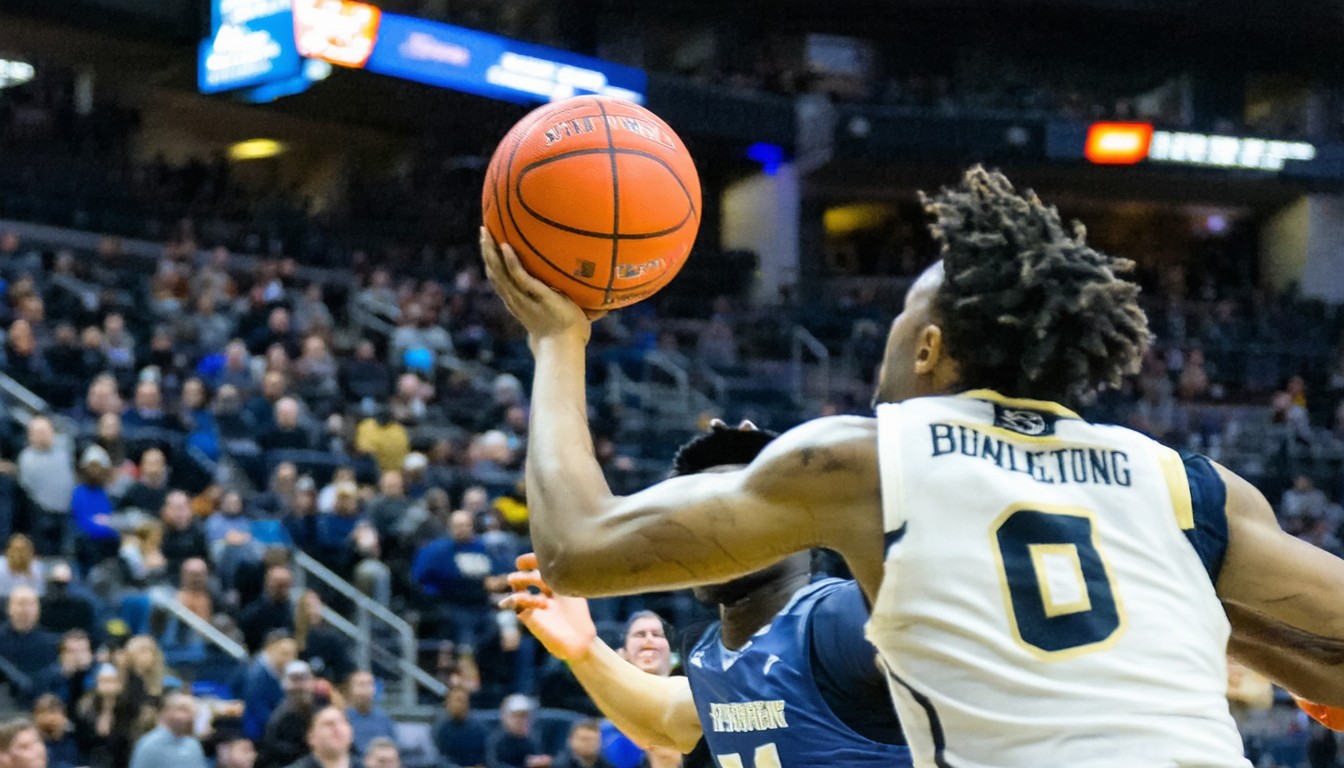

College basketball, with its fluctuating lineups and unpredictable tournament upsets, remains one of the most dynamic betting markets in U.S. sports. For casual fans and seasoned bettors alike, identifying meaningful betting trends is key to improving wager outcomes. Unlike many professional leagues, the sheer number of NCAA teams, combined with conference variability and rapid player turnover, creates distinct statistical patterns each season. Recognizing these trends offers a powerful tool for making smarter wagers—turning statistical noise into actionable insight.
What Are Betting Trends and Why Do They Matter?
Betting trends describe patterns that emerge from historical wagering data, public behavior, and team performance metrics. These trends may relate to point spreads, totals (over/under), moneyline outcomes, or even niche prop bets. While no trend guarantees a win, consistently recognizing and acting on relevant patterns can give bettors an edge over less-informed competitors.
College basketball betting is particularly susceptible to trends because:
- Rosters change rapidly due to graduation, transfers, and one-and-done players.
- Home court advantage is often amplified by smaller, louder venues.
- Scheduling quirks, such as back-to-back games or conference tournaments, affect team performance.
“The best bettors don’t blindly follow trends, but use them as one data point in a broader strategy,” notes veteran sports analyst Brad Powers. “Patterns in college hoops, especially against the spread or in non-conference play, can reveal genuine market inefficiencies.”
Key Trends That Shape College Basketball Betting
Conference vs. Non-Conference Play
In the early weeks of the season, non-conference games dominate the calendar. These matchups often pair powerhouse programs with smaller schools, creating large spreads and occasional upsets. Many experienced bettors observe that favorites from power conferences sometimes underperform against the spread in these mismatches due to:
- Lack of motivation,
- Experimental lineups,
- Conference priorities outweighing non-conference results.
Conversely, during conference play, teams are often more familiar with one another’s tactics and play at higher intensity. In these games, historical trends suggest tighter margins and greater value on underdogs, especially at home.
Home Court Advantage and Scheduling Effects
Data from the past decade indicates that college basketball home teams traditionally cover the spread at a slightly higher rate, but the true edge varies by conference and season. Smaller college arenas, packed with energetic student sections, can challenge even elite teams on the road. However, oddsmakers adjust quickly, and blindly backing home favorites does not guarantee profit.
Back-to-back games and “travel trap” spots—like when a team plays multiple road games in a short span—can further impact performance. Savvy bettors monitor schedules to identify fatigue factors that lines may not fully account for.
Public Betting Splits and Line Movement
In high-profile games, the public often backs traditional powerhouses and high-scoring teams. A significant share of bettors chase favorites and overs, influencing line movement. Yet, studies consistently show that “fading the public”—betting against overwhelming public consensus, especially when line movement contradicts the betting majority—can lead to better value in the long run.
Example: March Madness and Contrarian Betting
The NCAA Tournament amplifies these trends. Each March, brackets fuel increased betting volume, often distorting lines as recreational bettors flood the market. In these high-visibility games, underdogs and unders with early sharp money become particularly attractive plays.
Analytical Approaches to Trend Analysis
Against-the-Spread (ATS) Performance
Analyzing ATS records—how often a team covers the betting spread—reveals actionable patterns. Some programs consistently exceed preseason expectations due to strong coaching, underrated recruiting classes, or unique play styles (like relentless pressing or high-tempo offense). Identifying such teams early can deliver outsized returns before oddsmakers adjust.
Totals and Pace
Scoring trends are driven by tempo, roster makeup, and coaching philosophy. Teams with experienced guards typically control pace more effectively, impacting the probability of overs or unders hitting. Monitoring changes in average possession length, offensive/defensive efficiency, and shot selection can unlock opportunities on totals as sportsbooks lag behind mid-season team identity shifts.
Systemic and Situational Trends
Certain scenarios repeat each year: teams bouncing back after a blowout loss, or those quietly running up a double-digit win streak against the spread. Tracking how teams respond to travel, tournament pressure, or rivalry games adds an extra layer to smart trend-based betting.
Case Study: Mid-Major Underdogs in March
One recurring pattern in college basketball betting emerges each tournament season: mid-major underdogs outperforming expectations in early rounds. Programs from conferences like the Missouri Valley or Atlantic 10, while less heralded, frequently feature veteran lineups and strong defense. They often cover the spread against higher-seeded, but younger and less cohesive, major-conference opponents.
For example, recent tournaments have witnessed double-digit seeds like Loyola-Chicago or Florida Gulf Coast making deep runs, delivering both outright wins and ATS profits for those attuned to these trends.
Strategies for Smarter College Basketball Wagers
- Combine Trends With Fundamental Analysis: Use trends as a filter, not the sole basis for a bet. Consider injuries, coaching changes, and matchup dynamics.
- Track Closing Lines: Late line movement often signals sharp action. Compare open and close to spot evolving market sentiment.
- Stay Disciplined: Chasing losses or betting every trend without deep analysis erodes value.
- Leverage Reputable Analytics: Use advanced team metrics and trusted sources, such as KenPom or Barttorvik, alongside trend data for a rounded picture.
Conclusion
Betting trends provide a valuable compass in the ever-shifting landscape of college basketball wagering. By understanding the interplay of public sentiment, scheduling, and statistical patterns, bettors can navigate with greater discipline and sophistication. The most successful approach blends trend analysis with team insights, embracing both data and context for smarter, more sustainable wagers.
FAQs
What is the most reliable college basketball betting trend?
No single trend is universally reliable, but historically, paying attention to underdogs in conference play and during March Madness often yields value, particularly when combined with thorough analysis.
How can I use betting trends without falling into traps?
Approach trends as a guide—not a guarantee. Always factor in current injuries, lineup changes, and situational specifics before making a wager.
Are home teams always a good bet in college basketball?
Home court advantage is significant, but sportsbooks account for this when setting lines. Simply betting home teams is unlikely to guarantee profit over time.
What tools help identify college basketball betting trends?
Many bettors rely on platforms like KenPom, Barttorvik, or sports betting trackers that aggregate line movement and public betting percentages to spot developing trends.
How often do mid-major teams cover the spread in March Madness?
While the exact percentage varies by year, mid-major underdogs have a history of outperforming in the early rounds, often covering the spread more frequently than public perception suggests.