
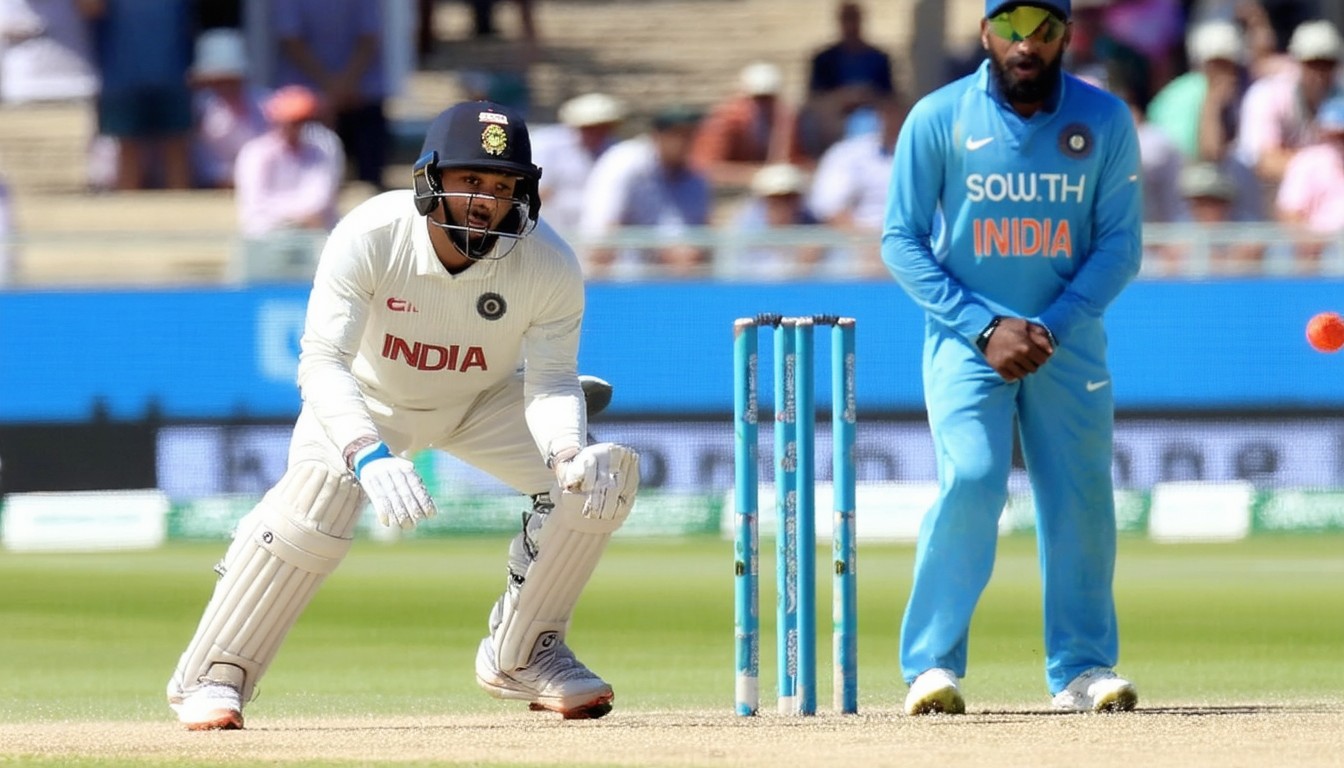

When India meets South Africa on the cricket field, the contest is never just another fixture—it is a clash of cricketing giants, rich histories, and well-matched rivals. Both teams enter this face-off with significant momentum, world-class talent, and a hunger for supremacy. For fans and analysts alike, the India vs South Africa matchup is a must-watch, carrying high stakes for World Cup positions, player legacies, and shifting dynamics in international cricket.
The Historical Rivalry: Stats and Milestones
The history between India and South Africa is layered with memorable wins, narrow escapes, and individual brilliance. Since South Africa’s readmission in the early 1990s, these two sides have contested fiercely across formats. While India has a strong record on home soil, South Africa has often found ways to triumph away, especially in Tests and ODIs.
- In One Day Internationals (ODIs), both teams have had periods of dominance, with South Africa holding a slight historic edge in overall matches won.
- In T20Is, the contest has evened out in recent years, showcasing emerging talents and new tactical approaches.
- Test matches between the two have often highlighted contrasting playing styles: India’s spin-heavy, technically sound line-up versus South Africa’s pace and bounce.
Beyond numbers, these encounters have shaped modern cricket’s competitive narrative, producing unforgettable moments—like Sachin Tendulkar’s monumental centuries, Ab de Villiers’ explosive batting, or the tense finishes in ICC tournaments.
Key Players to Watch: The X-Factors
Both teams arrive with squads boasting depth, variety, and star quality, but a few names stand out as crucial to the contest’s outcome.
India’s Pillars
- Virat Kohli: Renowned for his consistency against South Africa, Kohli’s appetite for big-match cricket remains undiminished. Expect him to anchor the innings and marshal India’s batting resources.
- Jasprit Bumrah: Arguably the world’s best all-format fast bowler, Bumrah’s ability to deliver yorkers and break crucial partnerships has often swung games India’s way.
- Ravindra Jadeja: His all-round prowess could prove decisive, offering control with the ball and valuable runs in the lower order.
South Africa’s Game-Changers
- Kagiso Rabada: A strike bowler with pace and aggression, Rabada relishes high-pressure games and holds an enviable record against top-order batters.
- Quinton de Kock: As a wicketkeeper-batsman, his explosive starts set the tone for South Africa’s batting, especially in powerplays.
- Aiden Markram: Markram’s flexibility in the batting line-up and his part-time off-spin give South Africa tactical versatility.
“India and South Africa are two of the best-balanced sides in world cricket right now. Their blend of experience and youth, aggression and composure, makes these encounters high octane and unpredictable,” says cricket analyst Harsha Bhogle.
Tactical Analysis: Strengths and Weaknesses
Understanding the strategic fabric of these teams reveals why their encounters are so often nail-biters.
India’s Strategy Spectrum
India’s depth in batting and spinning options lends flexibility. Their approach has often hinged on building solid partnerships, applying scoreboard pressure, and then unleashing strike bowlers during middle and death overs. Yet, the team occasionally faces criticism for cautious powerplay starts and over-reliance on senior batsmen.
- Strengths: Versatile bowling, fielding agility, robust middle order.
- Potential Weaknesses: Dependency on top three, occasional conservatism when chasing.
South Africa’s Blueprint
South Africa leans on fast bowling strength, aggressive field settings, and top-order firepower. They adapt well to varied conditions, but knocks in ICC knockouts and handling spin in Asian conditions remain persistent concerns.
- Strengths: Pace arsenal, dynamic batting, athleticism in the field.
- Potential Weaknesses: Vulnerability to quality spin, inconsistency in pressure moments.
Recent Form and Match Highlights
Both sides have posted some impressive results in the run-up to this clash. India, playing at home and abroad, has demonstrated resilience through series wins over Australia and England. Young players like Shubman Gill and Mohammed Siraj have added fresh impetus.
Meanwhile, South Africa’s new generation—including the likes of Tristan Stubbs and Marco Jansen—has galvanized their white-ball resurgence. Notably, their recent victories against strong teams such as Australia and Pakistan underscore a readiness to take on any challenge.
Highlight reels from previous India vs South Africa matches often feature last-over thrillers, dramatic collapses, and clutch performances—like Kagiso Rabada’s five-wicket hauls or Rishabh Pant’s counter-attacking knocks under pressure.
Pitch, Conditions, and Venue Impact
The choice of venue—often a defining factor—dictates playing XIs, bowling combinations, and match tempo.
- Subcontinental Pitches (India): Traditionally favor spinners and reward patient batsmen, but in recent years, venues like Mumbai and Bengaluru have seen high-scoring games with flat tracks.
- South African Conditions: Offer more bounce and seam, testing technique and temperament, especially for visiting sides.
Weather may also play a role, particularly during monsoon-affected seasons in India or unpredictable rain delays in South Africa. Teams that adapt fastest to in-match changes often gain the upper hand.
Fan Dynamics and Off-Field Narratives
The passion surrounding India vs South Africa is palpable, from packed stadiums in Mumbai to the noise of Wanderers in Johannesburg. Both sets of supporters are known for unwavering loyalty and sporting respect, which adds to the sense of occasion.
Beyond the boundary, the contest garners global media attention and often feeds national sporting narratives. Sponsorships, television ratings, and digital engagement tend to spike, making this clash a commercial highlight as well.
Prediction and Key Takeaways
If recent trends hold, the contest promises fine margins and individual brilliance making the difference. The winning side will likely manage in-game pressure better, extract every ounce of talent from its squad, and seize key moments.
For both teams, victory means more than just points: it’s a statement of intent ahead of global tournaments and a chance to etch new history in an enduring rivalry.
Conclusion
India vs South Africa transcends the numbers on the scoreboard. As both teams continue to evolve, new heroes emerge and sides are tested under the sport’s brightest spotlight. Whether history repeats or a fresh chapter is written, this encounter remains essential viewing for all cricket fans—one where pride, skill, and the joy of competition reach their peak.
FAQs
What time does the India vs South Africa match start?
Match timings depend on the venue and format. Typically, ODIs and T20Is in India begin in the afternoon or evening local time, while South African home games may start earlier due to time zone differences.
Which players have the best record in India vs South Africa matches?
Several legends have excelled, including Sachin Tendulkar, Jacques Kallis, AB de Villiers, and Virat Kohli. Standout performances are common from both established stars and emerging talents.
Where can I watch India vs South Africa live?
Most matches are broadcast on major sports networks and live-streamed on official platforms. Check local listings or tournament organizers’ websites for exact information.
How do pitch conditions affect the outcome of these matches?
Indian pitches often assist spin and favor batting, while South African surfaces offer bounce and pace. Teams adjust their line-ups accordingly, with bowlers and batters adapting strategies to match venue characteristics.
What are some memorable moments from this rivalry?
Historic feats include high-scoring duels, last-ball finishes, remarkable centuries, and pivotal wickets—such as India’s famous win in the 2011 ICC World Cup and South Africa’s nail-biting run chases in bilateral series.