
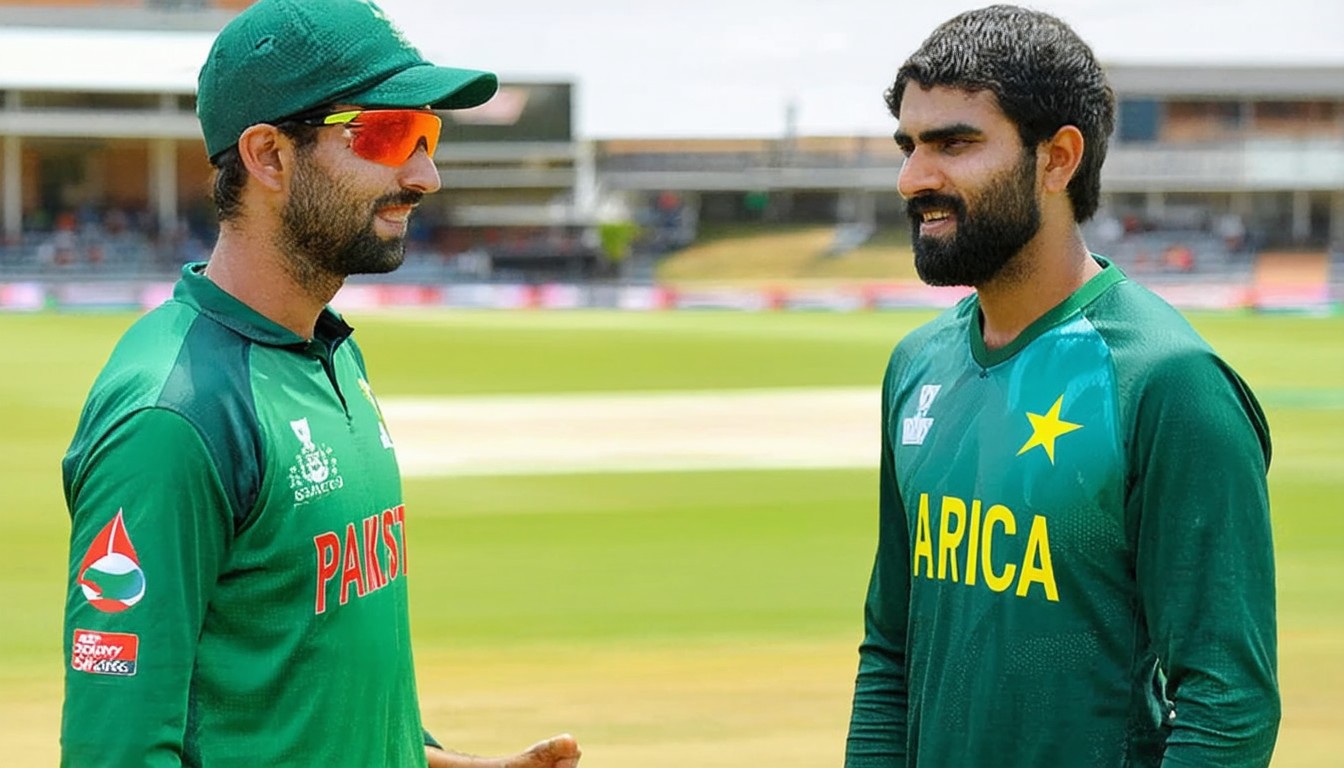

Few matchups in international cricket carry the resonance of a contest between the Pakistan national cricket team and the South Africa national cricket team. These two powerhouse sides have, over the decades, engaged in riveting encounters across formats—from fiercely fought World Cup clashes to memorable bilateral series. Every meeting carries not only the hunger for victory, but also the weight of national pride, strategic acumen, and the evolving narratives of cricket’s global stage.
While both teams have boasted world-class talents, distinct playing styles, and passionate fanbases, it is the match scorecards of these face-offs that offer the most vivid story: a tale of momentum, individual brilliance, and tactical deftness. Understanding a scorecard is more than reading numbers; it is about reliving the ebbs and flows that define classic matches and reveal the character of champions.
Breaking Down a Cricket Scorecard: More Than Just Runs and Wickets
The scorecard, at its core, is a narrative in numbers. It painstakingly documents the innings, revealing not just who won, but how the contest unfolded.
Key Elements of a Cricket Scorecard
A comprehensive scorecard between Pakistan and South Africa typically includes:
- Team innings totals: Final runs scored and wickets lost.
- Batting breakdown: Individual contributions, including runs, balls faced, boundaries, and strike rates.
- Bowling figures: Overs bowled, runs conceded, wickets taken, economy rates.
- Phase analysis: Powerplays, middle overs, and death overs performance.
- Extras: Wides, no-balls, leg byes, and byes—often the difference in a close game.
- Fall of wickets: Timing and sequence of dismissals, revealing pressure points within the match.
Beyond the data, these records capture crucial storylines: a lower-order fightback, a devastating bowling spell, or an audacious chase under the lights.
Real-World Example: A Memorable ODI Clash
One of the most discussed scorecards in recent years is from an ICC Cricket World Cup in which South Africa narrowly edged Pakistan by defending a modest total. On a slow pitch, South Africa’s top order struggled against Pakistan’s seamers, but the Proteas’ bowlers struck early and maintained relentless pressure. The final scorecard showed South Africa clinching victory by a single-digit margin, underscoring how extras and partnerships deep in the innings can swing momentum.
“Scorecards do more than list numbers—they immortalize every turning point and tactical masterstroke,” says Hafeez Ahmed, cricket analyst for ESPNcricinfo. “You can unpack the psychology of a game just by following how partnerships form, wickets tumble, and the tempo shifts ball by ball.”
Head-to-Head: Scorecard Trends and Team Strategies
No two games between Pakistan and South Africa are alike, but certain recurring patterns emerge when their scorecards are compared across series and tournaments.
Pakistan’s Dynamic Batting and South Africa’s Bowling Precision
Historically, Pakistan’s strength has often been its mercurial batting order—capable of both collapse and comeback in the same innings. Names like Babar Azam, Fakhar Zaman, and Mohammad Rizwan have delivered standout performances, often shifting momentum with counter-attacking cricket.
Conversely, South Africa has consistently produced world-class fast bowlers. Scorecards frequently highlight outstanding figures from Kagiso Rabada, Anrich Nortje, or Lungi Ngidi, who excel at applying pressure during the powerplay and death overs.
Notable Patterns
- First-Innings Totals: Recent ODIs have seen teams tend to post competitive scores—typically in the 260–320 range—depending on pitch and conditions.
- Chase Volatility: Pakistan’s chases against South Africa can fluctuate dramatically, swinging between confident pursuits and last-minute stumbles.
- Spin Impact: On subcontinental surfaces, Pakistani spinners like Shadab Khan have often delivered breakthroughs, reflected in clustered wickets at crucial junctures on the scorecard.
Decisive Moments and Match-Winning Performances
Analyzing scorecards from landmark matches reveals how key partnerships—or sudden batting collapses—define the outcome. For example, partnerships of 50-plus runs for the sixth or seventh wicket often rescue otherwise faltering innings. Similarly, three-wicket bursts from pace bowlers in middle overs have decided more than a few contests.
The Evolution of Scorecard Analysis: Digital Trends and Fan Engagement
In today’s era, cricket scorecards are more accessible and detailed than ever, powered by digital innovation and analytics. Major platforms now offer real-time updates, detailed ball-by-ball data, and advanced visualizations that help fans and analysts decode performances.
How Fans and Professionals Use Digital Scorecards
- Live Tracking: Websites and mobile apps, including ESPNcricinfo and the ICC app, provide instant scorecard updates for fans worldwide.
- Deep Analytics: Team strategists pore over granular data—wagon wheels, pitch maps, and player heatmaps—to inform tactics for upcoming matches.
- Social Media Debates: Viral screenshots and highlight clips from scorecards often spark debates, memes, and trending hashtags after every close contest.
This democratization of data has changed how scorecards are read, discussed, and remembered—influencing everything from team selection to post-match analysis and legacy narratives.
Case Study: Recent High-Stakes Encounter
Consider a recent bilateral ODI played in Johannesburg, where both teams entered the field with their World Cup hopes at stake. Pakistan batted first, navigating early swing but stumbling in the middle overs. Babar Azam’s gritty half-century stabilized the innings, with lower-order contributions helping them reach a defendable total of about 270.
South Africa’s chase began aggressively, with the openers setting a brisk pace. However, a decisive spin spell from Shadab Khan saw three wickets fall in a cluster, reflected on the scorecard as a sudden drop in run rate. Despite a late flourish from the lower middle order, South Africa fell just short, with the scorecard capturing not just individual efforts but the collective tension of the final overs.
This game’s scorecard remains a point of analysis for coaches and journalists alike, providing a blueprint for strategizing future encounters.
Conclusion: Why the Scorecard Matters in Pakistan vs South Africa Matches
A cricket scorecard between the Pakistan and South Africa national teams is more than a record; it’s a living document that captures sporting drama, tactical nuance, and the evolving form of both teams. For fans, analysts, and players, these scorecards offer insights into strengths, vulnerabilities, and the transformative moments that define high-level cricket. As digital access and data sophistication continue to grow, each line and stat etched into these records will deepen the connection between the game’s numbers and its narratives—ensuring that every encounter remains part of cricketing history.
FAQs
What details are typically included in a Pakistan vs South Africa match scorecard?
A match scorecard generally lists runs, wickets, overs, batsmen’s and bowlers’ statistics, extras, and the sequence of wickets. It may also show how each phase of the match unfolded, highlighting key partnerships and standout performances.
Can a scorecard help identify turning points in a match?
Yes, analyzing the fall of wickets, sudden changes in run rate, and bowling spells can highlight when a match’s momentum shifted. This helps fans and analysts understand the strategic turning points that impacted the final outcome.
Where can I find live scorecards of Pakistan vs South Africa cricket matches?
Live and updated scorecards are available on major sports websites such as ESPNcricinfo, ICC Cricket, and various sports news apps. These platforms provide ball-by-ball coverage, statistics, and interactive features for detailed insights.
Which players have influenced these match scorecards the most?
For Pakistan, batters like Babar Azam and bowlers like Shaheen Afridi have significantly shaped recent results. For South Africa, contributors often include Quinton de Kock with the bat and Kagiso Rabada with the ball, as reflected in their regular appearances among top performers on the scorecard.
How has technology improved scorecard analysis for these matches?
Technology now enables deep analysis through real-time ball-by-ball data, advanced visualizations, and predictive analytics. This enriches the fan experience and aids coaches in tactical planning by making crucial trends easier to spot.