
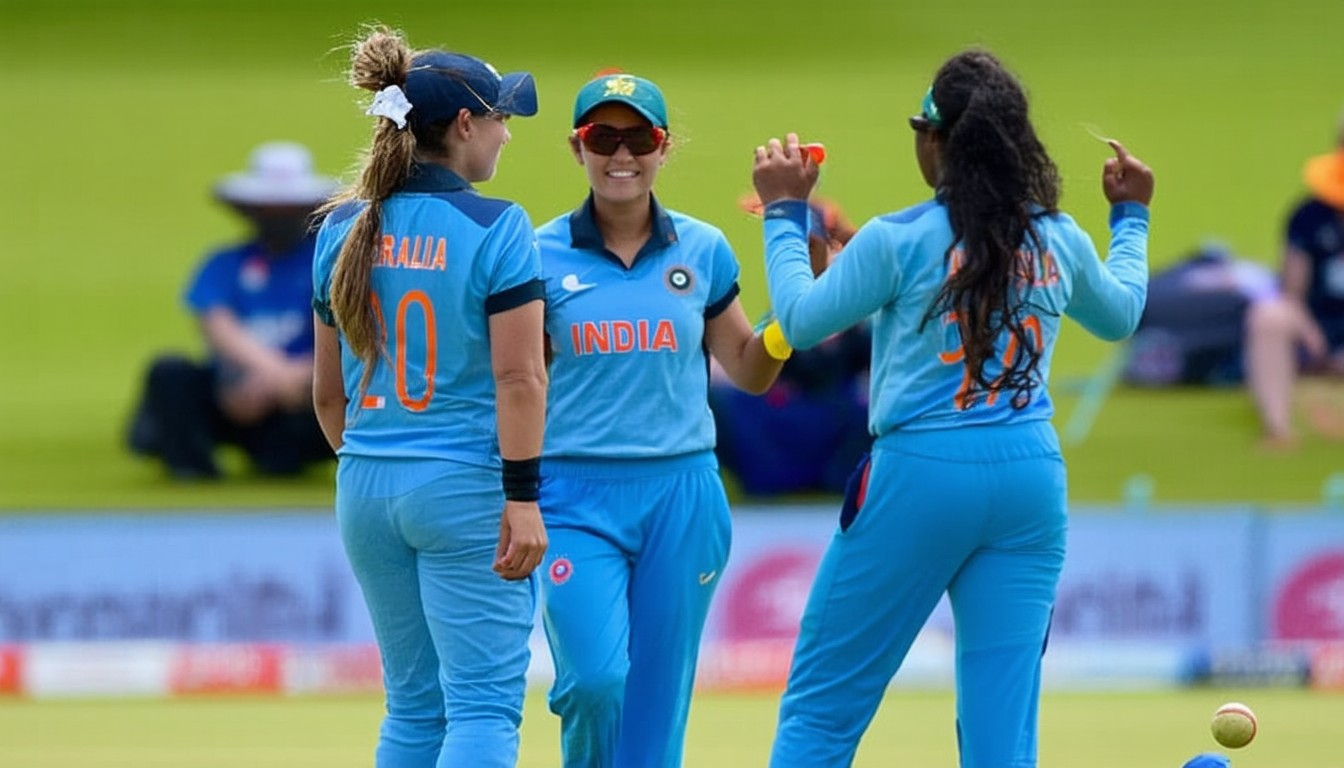

Women’s cricket has created some of the most compelling narratives in the sporting world, none more captivating than the clashes between the Australia women’s national cricket team and the India women’s national cricket team. These teams are not only dominant forces in their respective regions but also global torchbearers for the growth of women’s cricket. Analyzing their match scorecards offers insights into evolving player performances, tactical depth, and the shifting landscape of international women’s cricket.
The Rivalry: Setting the Stage for Modern Women’s Cricket
The rivalry between Australia and India’s women’s cricket teams is a testament to dedication, skill, and transformation on and off the pitch. In recent years, their match-ups have consistently drawn massive global audiences, contributing to record viewership and attendance figures, especially during ICC events and bilateral series.
Historically, Australia’s women have been synonymous with dominance, clinching multiple ICC Women’s World Cups and T20 titles. India, too, has made significant strides, especially after inspirational performances—such as the 2017 World Cup final and recent T20 World Cup campaigns. When these two teams meet, the cricketing world expects nothing less than high drama, elite performances, and tightly contested scorecards.
“The encounters between Australia and India epitomize the highest standards of women’s cricket and set new benchmarks for the sport,” observes noted cricket analyst Lisa Sthalekar.
This narrative is reflected not just in outcomes but also in the number crunching—the match scorecards that capture pivotal moments.
Decoding Recent Match Scorecards: Key Trends and Milestones
Each competitive fixture between these teams adds a new layer to their storied rivalry. A close reading of their most recent series and significant encounters reveals both individual brilliance and collective strategy.
Batting Prowess in Focus
Looking at recent ODI and T20I scorecards, the following patterns have emerged:
- Consistent Top-Order Scorers: Players such as Smriti Mandhana (India) and Alyssa Healy (Australia) frequently appear atop the scorecards, providing their teams with dynamic starts.
- Power Hitting and Depth: The rise of middle-order anchors like Harmanpreet Kaur and Ellyse Perry reflects growing batting depth. In several matches, recoveries from batting collapses have turned the tide.
For instance, during the 2023 T20I series, Mandhana’s fluent half-centuries and Perry’s all-round contributions were critical, both evidenced on the scorecards.
Bowling: Defining the Margin
The bowling units, led by stalwarts like Megan Schutt (Australia) and Deepti Sharma (India), have often delivered match-defining spells. Economy rates and wicket tallies from the scorecards reveal their impact, especially in crunch situations:
- Indian spinners have repeatedly tightened the screws during middle overs.
- Australian seamers, known for their discipline, have provided critical breakthroughs with the new ball.
Fielding and Margins
Fielding brilliance, seen in catches and run-outs recorded in the match logs, has proved decisive in many close finishes. The narrow margin of victories—a handful of runs or balls—highlights the ever-shrinking gap between these two powerhouses.
Spotlight on Memorable Encounters: Numbers That Tell Stories
Certain scorecards encapsulate the drama and evolution of this rivalry:
ICC Women’s T20 World Cup 2020 Final
The 2020 final at the MCG remains an iconic fixture:
- Australia: 184/4 in 20 overs (Healy 75, Mooney 78*)
- India: 99 all out in 19.1 overs (Deepti Sharma 33)
Australia’s commanding win was powered by record-breaking opening partnerships. The full scorecard showed a stark contrast in batting performance, yet for India, it was a watershed in terms of fan support and recognition.
Bilateral ODI Series 2023: Closer Than Ever
A recent series in India saw fluctuating scorecards:
- India chased down targets above 250, with Mandhana’s 90s and Sharma’s late-order cameos evident on the sheets.
- Australia responded with disciplined bowling spells, often defending sub-240 totals, with Schutt and Wareham excelling.
This series highlighted the growing competitiveness—each scorecard reflecting narrow wins and rare ties, underlining how closely matched the sides are today.
Star Performers and Emerging Talents: Scorecard Standouts
Indian Icons
- Smriti Mandhana: Consistent half-centuries, anchoring most chases.
- Harmanpreet Kaur: Known for impactful hundreds and finishing ability.
- Deepti Sharma: All-rounder whose wicket columns and run tallies regularly feature in crucial moments.
Australian Mainstays
- Alyssa Healy: Aggressive opener whose strike rates set the tone in most games.
- Ellyse Perry: With career figures regularly among the best, Perry’s dual contributions as batter and bowler are a staple across scorecards.
- Ashleigh Gardner: Emerging as a T20 finisher and economical off-spinner, leading both runs and wickets in tight matches.
Rising Stars
Pitch-side observers have remarked on young talents such as Shafali Verma (India) and Darcie Brown (Australia), whose boundary tallies and blistering pace offer glimpses into the next generation’s impact.
Tactical Shifts Reflected on the Scorecards
Beyond individual exploits, scorecards betray shifts in team tactics:
- Flexible Batting Orders: Both sides now routinely promote pinch-hitters or float senior batters to counter specific match-ups.
- Data-Driven Bowling Changes: Use of advance analytics has led to smarter field placements, which can be traced to improved economy rates and wicket distributions across overs.
Cricket strategist Melanie Jones noted:
“Modern scorecards reveal much more than numbers—they’re a map of evolving tactics, adaptability, and the rise of data in decision-making.”
This analytical approach is a hallmark of current Australia-India contests.
The Broader Impact: Elevating Women’s Cricket
Every meeting between Australia and India advances the women’s game’s profile. Full stadiums and digital-first broadcasts now accompany match highlights and scorecards, bringing new fans into the fold globally.
In the era of Women’s Premier League in India and the Women’s Big Bash League in Australia, scorecards not only track statistics but also chart the sport’s rising economy, increased sponsorship, and media attention.
Conclusion
Examining the match scorecards from Australia vs India women’s cricket offers a rich tapestry of sporting evolution: high-caliber performances, ever-tighter contests, and transformations spurred by tactical innovation and professionalism. For fans, analysts, and aspiring cricketers alike, these scorecards are more than records—they are milestones on the journey of women’s cricket toward an even more prominent global stage.
FAQs
What is the most memorable match between Australia and India’s women’s teams?
The 2020 T20 World Cup Final is widely regarded as a landmark fixture, with Australia’s victory before a record crowd elevating the profile of women’s cricket globally.
Who are the standout players in Australia vs India women’s matches?
Names like Alyssa Healy, Ellyse Perry, Smriti Mandhana, and Harmanpreet Kaur frequently appear as top performers according to scorecards and match statistics.
Where can I find live and past match scorecards for these teams?
Comprehensive scorecards are available on official platforms such as ICC, Cricket Australia, BCCI, and leading sports websites like ESPNcricinfo.
How do match scorecards influence team strategies in women’s cricket?
Scorecards serve as analytical tools, helping teams assess performance trends, player form, and areas needing tactical adjustments in future games.
Has the rivalry impacted women’s cricket globally?
Yes, high-profile matches between Australia and India have driven increased viewership, sponsorship, and grassroots development, boosting the sport’s growth worldwide.