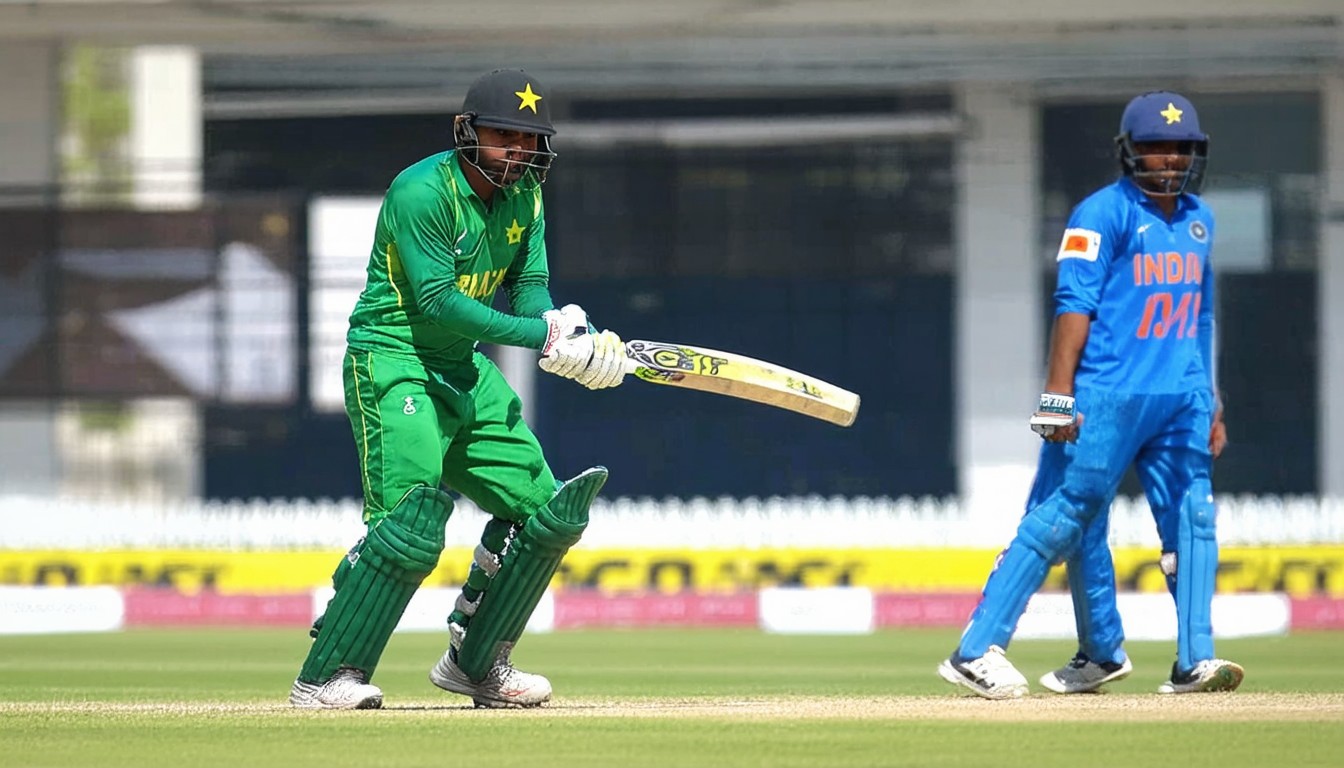

Few sporting rivalries match the intensity and magnitude of the Pakistan national cricket team versus India national cricket team timeline. Steeped in history, culture, and fierce national pride, this face-off has delivered decades of heart-stopping moments on the cricket field. Such encounters are more than just games—they’re events that halt traffic, dominate television ratings, and echo in the collective memory of millions. Understanding the evolution of this rivalry unravels not just the statistics, but a gripping narrative interwoven with political, social, and sporting threads.
The Dawn of a Fierce Rivalry (1952–1971)
Early Encounters and Political Backdrop
The inaugural Test series between India and Pakistan in 1952 marked the beginning of a cricketing saga. Post-partition tensions meant every match drew enormous scrutiny. The first-ever meeting took place at Delhi’s Feroz Shah Kotla ground, embedding cricket deeply within diplomatic and public consciousness.
- 1952: India wins the first home Test series 2–1, setting an early tone of competitive parity.
- 1954–55: Pakistan hosts India for the first time—a significant moment given border uncertainties.
- Diplomatic fluctuations frequently suspended bilateral series, underscoring how matches mirrored geopolitical climates.
Cricket as a Cultural Connector
Despite rivalries, early series were hailed for their sportsmanship. Players often recalled crowd warmth in both countries, reflecting cricket’s dual role as a battleground and a bridge. It set the stage for decades of mutual respect interspersed with fierce contest.
The Seventies and Eighties: Rivalry Intensifies
Expanding Formats and Sharper Edges
With the introduction of One Day Internationals (ODIs) in the 1970s, India-Pakistan matches reached new audiences.
- 1978–79: Cricketing ties resume after an 18-year break, with both nations contesting five Test matches and three ODIs in Pakistan.
- Key players emerge: Sunil Gavaskar, Imran Khan, and Javed Miandad become iconic faces.
The rivalry took on new meaning with the infamous 1986 Sharjah ODI, where Javed Miandad’s last-ball six off Chetan Sharma became an enduring symbol of nerve and national pride.
“The Sharjah era defined the psychological dynamics between the two sides—matches were not just about skill but resilience under extraordinary pressure,” observed former India captain Kapil Dev.
World Cup Clashes Begin
The 1980s and 1990s brought the teams to global stages, most notably the Cricket World Cup. Every World Cup meeting since 1992 has been eagerly anticipated, consistently drawing record audiences.
1990s–2000s: Globalization and Changing Narratives
From Suspensions to High-Stakes Drama
Amidst fluctuating relations, bilateral cricket often became collateral. The 1999 Kargil conflict resulted in increased scrutiny and halted tours. However, when games did occur, they were electric—none more than the 1996 Bangalore World Cup quarterfinal, remembered for its tense finish.
The Emergence of Megastars
- Sachin Tendulkar and Wasim Akram exemplified sporting excellence.
- Shoaib Akhtar’s fiery pace clashed memorably with Tendulkar’s mastery, especially during the 2003 World Cup.
- The 2004 India tour of Pakistan was historic—a “cricket diplomacy” exercise, with widespread public enthusiasm softening cross-border sentiments.
Expanding Beyond Bilateral Series
Multinational tournaments, including the Asia Cup and ICC Champions Trophy, regularly pitted the neighbors against each other on neutral venues. The stakes remained high, the atmosphere always electric.
A Twenty-First Century Spectacle
T20 Revolution and IPL Crossovers
The rise of T20 cricket gave a new dimension to the rivalry. The 2007 ICC World Twenty20 final, where India triumphed over Pakistan, became a blueprint for high-octane, global cricket entertainment.
Off the field, the Indian Premier League (IPL) brought fleeting moments of collaboration as Pakistani players participated in the inaugural season, although subsequent editions excluded them due to evolving political realities.
Recent Trends: Fewer Bilateral Matches, Global Spotlight
Since 2012, bilateral series have become exceedingly rare. The teams most often clash on the biggest stages: ICC world events. Each match, such as the 2022 T20 World Cup thriller in Melbourne, commands the attention of over a billion viewers—demonstrating cricket’s unique power to unify and divide.
Statistics Snapshot
- Tests: India and Pakistan have played over 50 Test matches since 1952, with both sides sharing periods of dominance.
- ODIs: Both teams have met almost 130 times, with Pakistan historically holding a slight edge in head-to-head records, though India remains unbeaten in World Cup contests.
- T20Is: The record is relatively even, with high-stakes games often decided by the narrowest of margins.
Cultural and Economic Impact
Beyond the Boundary
The India-Pakistan cricket timeline extends far beyond the field. Each encounter generates massive advertising revenues, spikes in merchandise sales, and surging digital engagement.
- A 2019 World Cup fixture drew over 273 million television viewers, highlighting the rivalry’s unparalleled reach.
- Ticket demand, social media debates, and unique memes create annual “cricket festivals” transcending national boundaries.
“Cricket Diplomacy” and Soft Power
At times, matches have thawed relations—most notably in 2004 and 2005, when fans traveled across borders, and leaders exchanged diplomatic visits on the sidelines of games. Conversely, political tensions have occasionally curtailed cricketing contact, emphasizing how sports remain tightly woven into national narratives.
Conclusion
The Pakistan national cricket team vs India national cricket team timeline is more than a series of scores. It is a chronicle of shifting powers, legendary talents, and defining moments that continue to shape subcontinental identity. While diplomatic ebbs and flows dictate the frequency of encounters, the global cricketing community consistently awaits their next showdown. As fixtures become rarer, every contest grows in significance—ensuring that this rivalry, both on and off the pitch, remains a living epic of the sport.
FAQs
What is the origin of the Pakistan vs India cricket rivalry?
The rivalry began with their first Test series in 1952, soon after partition. Historical and political factors gave every match a layer of intensity and emotional significance.
How often do India and Pakistan play cricket against each other?
Due to political tensions, bilateral series are infrequent. Most encounters now occur in multinational tournaments such as the ICC World Cup or Asia Cup.
Who usually wins in India-Pakistan World Cup matches?
India holds an unbeaten record against Pakistan in both ODI and T20 World Cup matches, making these fixtures especially high-profile.
Which match is considered the most memorable in their timeline?
Many fans point to the 1986 Sharjah ODI, the 1996 World Cup quarterfinal, and the 2007 ICC T20 World Cup final as unmatched spectacles in the rivalry’s history.
Why are there so few bilateral series between the two teams today?
Predominantly, diplomatic relations and security concerns prevent the scheduling of regular bilateral cricket series between India and Pakistan.
How does the rivalry impact cricket globally?
India-Pakistan matches are among the world’s most-watched sporting events, significantly boosting viewership, sponsorship, and global interest in the sport.