
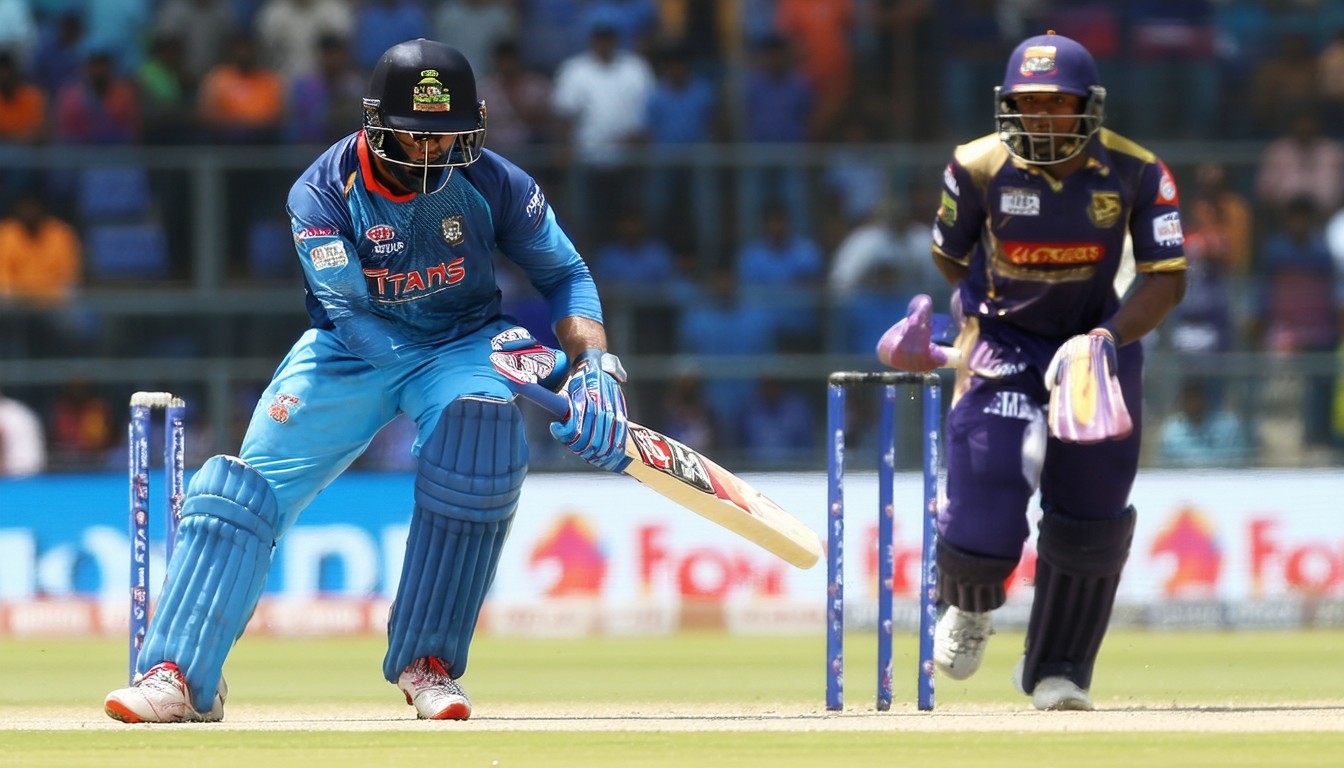

The face-off between Gujarat Titans and Kolkata Knight Riders has swiftly become one of the Indian Premier League’s (IPL) most closely watched contests. Drawing fans from all corners of the cricketing map, their recent meeting offered a captivating display of strategy, resilience, and standout individual performances. This detailed analysis dives into the match scorecard, narrative highlights, and the subtle tactical shifts that made this encounter memorable.
Context and Stakes: Setting the Scene
As both teams entered the match with playoff implications looming, tensions were high. Gujarat Titans, known for their calculated aggression and composed leadership under Hardik Pandya, sought to consolidate their position in the upper tier of the IPL points table. Meanwhile, Kolkata Knight Riders, anchored by the strategic acumen of Shreyas Iyer, eyed a must-win scenario to revive their playoff aspirations.
The match’s build-up was marked by debate around playing XIs, pitch conditions, and the possible impact of dew—a significant factor in night games at many Indian venues. Previous encounters had been tightly contested, with both franchises delivering dramatic victories against each other.
Innings Breakdown: Scorecard Snapshots
Gujarat Titans Innings: Steady Start, Explosive Finish
Winning the toss and opting to bat, the Titans’ top-order set the stage with a measured yet purposeful approach. Openers Shubman Gill and Wriddhiman Saha navigated the new ball cautiously, facing probing spells from Sunil Narine and Umesh Yadav. Their early resilience blunted KKR’s initial attack, adding a 50-plus partnership before the breakthrough came.
The middle overs saw Rashid Khan being promoted up the order—an audacious move that paid dividends. Hammering quick boundaries, Rashid shifted momentum and forced KKR to update their field placements. Later, David Miller and Rahul Tewatia, the finishers, combined to post a brisk flurry in the final overs, nudging the total past the competitive 175-run mark.
Key Batting Contributions:
– Shubman Gill: 42 (34 balls)
– Wriddhiman Saha: 36 (28 balls)
– David Miller: 31 (18 balls)
– Rashid Khan: 25 (12 balls)
– Rahul Tewatia: 18 (8 balls)
Total: Approx. 178/5 in 20 overs
Kolkata Knight Riders Innings: Chasing Under Pressure
In response, Knight Riders exhibited intent from the onset. Venkatesh Iyer and Sunil Narine launched the chase with a mix of boundaries and quick singles. Yet, the disciplined swing of Mohammed Shami yielded an early scalp, shifting the pressure.
Andre Russell battled hard in the middle overs, launching consecutive sixes off Sai Kishore, which reignited Kolkata’s hopes. However, the Titans’ bowling lineup demonstrated depth and strategic awareness. Noor Ahmad’s spin, backed by superb catching from the infield, produced regular breakthroughs. Despite a fighting cameo from Rinku Singh in the death, Kolkata Knight Riders fell short.
Key Batting Contributions:
– Venkatesh Iyer: 43 (27 balls)
– Andre Russell: 36 (16 balls)
– Rinku Singh: 29* (15 balls)
Result: KKR ends at approximately 167/7 in 20 overs; Gujarat Titans win by 11 runs.
Game-Changing Moments and Strategic Decisions
Shifting Momentum through Middle Overs
A frequently discussed aspect in T20 cricket is how teams manage the “middle overs phase”—generally overs 7–15—where both run accumulation and wicket preservation are pivotal. Gujarat Titans’ decision to utilize Rashid Khan with the bat during this period proved influential, disrupting KKR’s bowling plans and boosting their run rate.
On the other side, Kolkata’s excessive reliance on power-hitters in high-pressure scenarios led to risky shot selections, which ultimately cost crucial wickets. The effectiveness of Gujarat’s bowlers in using slower balls and wide yorkers in the late overs illustrated their superior tactical flexibility.
“Strategic progression in T20 is about maximizing each phase—Gujarat managed their resources expertly, particularly with their use of all-rounders and timely bowling changes,” observed veteran cricket analyst Harsha Bhogle.
Fielding Impact: The Fine Margins
Both teams showcased moments of athletic brilliance in the field—diving stops, sharp run-outs, and inventive catches near the boundary rope. Rahul Tewatia’s low catch at long-on to dismiss Russell drew special praise, underlining how individual efforts can transform the flow of a T20 encounter.
Statistical Insights: By the Numbers
While numbers do not always capture the battle’s narrative, certain figures from the match are especially telling:
- Gujarat’s run rate after the 15th over surged to over 11 per over, driven by Miller and Tewatia’s surge.
- KKR, despite hitting more sixes than Gujarat (9 vs 7), lost wickets at inopportune times, especially during the middle overs.
- Spinners from both sides—Rashid for the Titans and Narine for the Knight Riders—bowled at economy rates under 7, demonstrating control in a format otherwise dominated by batsmen.
In practice, these figures reflect a broader IPL trend: success hinges on finishing skills and bowling adaptability.
Player of the Match: Leadership on Display
Hardik Pandya’s captaincy and all-round performance deserve recognition. While his batting cameo (15 off 8) was brief, his field placements and use of bowlers, especially in the final overs, were pivotal. Conversely, Andre Russell’s effort under pressure highlighted his ongoing importance to KKR, but lack of middle-order support hampered the chase.
Concluding Thoughts: Lessons from a Modern IPL Thriller
This Gujarat Titans vs Kolkata Knight Riders match reinforced what contemporary T20 leagues are all about: tactical creativity, adaptable leadership, and collective intensity. The Titans’ disciplined bowling and innovative batting order shifts ultimately provided the edge, while Kolkata’s high-risk approach could not surmount calculated opposition.
As the league progresses towards its knockout stages, such closely contested matches emphasize the importance of depth and resilience—both core virtues in the evolving world of franchise T20 cricket.
FAQs
What was the final score in the Gujarat Titans vs Kolkata Knight Riders match?
Gujarat Titans set a target of approximately 178 runs. Kolkata Knight Riders responded with around 167 runs, resulting in an 11-run victory for the Titans.
Who were the top performers in the match?
Shubman Gill and David Miller were key with the bat for the Titans, while Andre Russell and Venkatesh Iyer stood out for KKR. Among the bowlers, Rashid Khan (GT) and Sunil Narine (KKR) delivered economical spells.
What tactical moves influenced the result the most?
Gujarat’s decision to accelerate in the late middle overs using Rashid Khan, along with disciplined bowling in the death overs, decisively shifted momentum. Tight fielding and sharp captaincy also played crucial roles.
How did the pitch and conditions affect play?
The surface offered good bounce early and slowed down as the game progressed, aiding spinners. Dew did not play a major role, allowing bowlers to defend totals effectively under lights.
Which moments turned the game in Gujarat’s favor?
Key moments included Rashid Khan’s quick-fire batting cameo, Rahul Tewatia’s vital catch to dismiss Andre Russell, and economical overs from GT bowlers at the death.
How does this match impact both teams’ standings in the league?
A win for Gujarat Titans solidifies their position near the top of the IPL points table, increasing their playoff chances. KKR faces a tougher path to the next round after this loss, needing consistent wins in upcoming fixtures.