
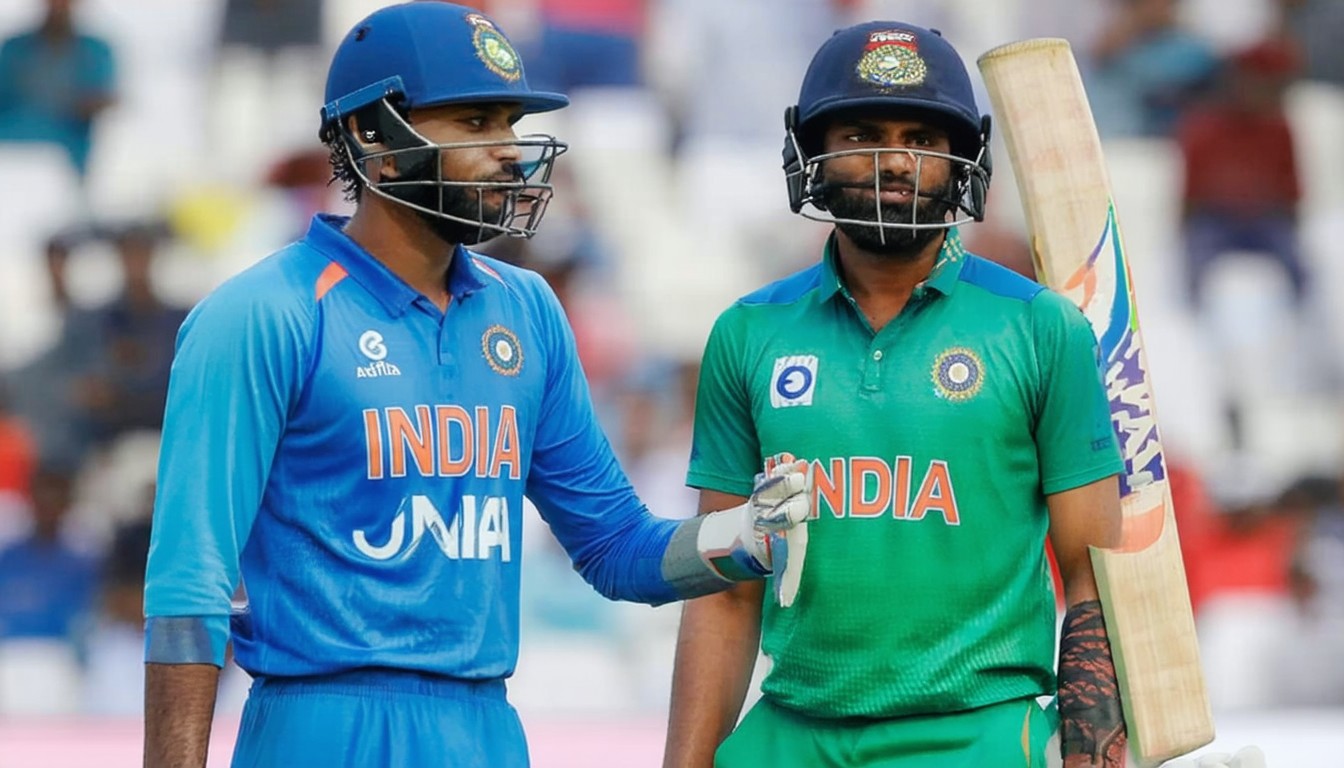

India versus Bangladesh is now more than a fixture on the cricket calendar—it’s an eagerly anticipated contest that often brings thrilling displays of skill, surprising moments, and national pride to the fore. Their head-to-head showdowns have evolved far beyond lopsided affairs, reflecting the rapid growth of cricket in both nations. As each encounter unfolds, new narratives are written, and both squads look to stamp their dominance on the Asian stage.
Historical Rivalry and Evolving Dynamics
India and Bangladesh first met in an international cricket match in 1988, a period when Bangladesh was in the early stages of developing its cricketing infrastructure. Back then, victories for the Tigers (Bangladesh) over the Men in Blue (India) were considered upsets. Over time, however, Bangladesh steadily closed the gap, registering memorable wins in ICC tournaments and the Asia Cup.
Asia Cup 2012 stands out, where Bangladesh toppled India in the group stage and reached the final, signifying their arrival as genuine contenders. Since then, Bangladesh’s performances have been marked by improvement in fitness, depth in talent, and a fearless approach, particularly in home conditions.
“Cricket between India and Bangladesh is no longer a one-sided affair. Bangladesh’s progress in white-ball formats, especially, has made this a clash where anything can happen,” observes former India cricketer Sanjay Manjrekar.
India, for their part, have sustained their status as an Asian powerhouse, blending youthful exuberance with experienced stars and boasting an enviable bench strength. As a result, matches are often finely poised until the final overs, capturing the imagination of millions across the subcontinent.
Head-to-Head: A Statistical Overview
ODI Cricket
In One Day Internationals, India’s superiority is clear on paper, with a strong winning percentage against Bangladesh. However, recent fixtures reveal a more competitive landscape. The two sides have met over 35 times in ODIs, with India claiming the lion’s share of victories. Bangladesh, however, have managed several breakthrough wins, particularly in high-stakes encounters such as the 2007 ICC Cricket World Cup and during home series in 2015, where they sealed a memorable series triumph.
Test Cricket
Test matches between India and Bangladesh have generally seen Indian dominance. India’s established red-ball pedigree, with batters and bowlers adept at adapting to varied conditions, has ensured they remain a step ahead. Nonetheless, Bangladesh’s occasional flashes of potential—like their spirited performances in home Tests—underscore their determination to shed the underdog tag.
T20 Internationals
T20 cricket brings greater unpredictability. India continues to hold the edge, yet Bangladesh’s close contests, including a nerve-wracking finish at the 2016 World T20, prove that matches are rarely routine. Key players have emerged for both teams, often rising to the occasion under pressure.
Key Players to Watch
India’s Stalwarts and Young Guns
- Virat Kohli: The Indian talisman boasts a phenomenal record against Bangladesh, especially in limited-overs cricket.
- Rohit Sharma: Proven opener with an ability to anchor or accelerate, lending stability at the top.
- Jasprit Bumrah: His death-over expertise can swing momentum in India’s favor.
- Shubman Gill: Part of the next generation, Gill has shown promise with impressive technique and temperament.
Bangladesh’s Game-Changers
- Shakib Al Hasan: The backbone of the team—world-class all-rounder with vast experience against India.
- Mushfiqur Rahim: A crisis man for Bangladesh, known for composure and the ability to play big innings under pressure.
- Mustafizur Rahman: His variations and clever use of the slower ball have troubled the best of batters, including the Indian lineup.
- Mehidy Hasan Miraz: Quickly establishing himself as a reliable all-round option, capable of making vital contributions with bat and ball.
Key Highlights: Memorable Clashes and Turning Points
2007 World Cup Shock
One of the biggest upsets in World Cup history occurred when Bangladesh stunned India, eliminating them from the group round. The win had immediate consequences—a national reckoning in Indian cricket, while Bangladesh cricket entered a new era of belief.
Asia Cup Drama
Matches in the Asia Cup have repeatedly featured drama—tight finishes, tempers flaring, and outstanding individual performances. The 2016 final, for instance, saw India chasing down a revised target in a rain-hit match, highlighting their nerves of steel. Meanwhile, Bangladesh’s march to the finals illustrated their consistency on Asian pitches.
Controversial Moments & Rivalry
The contests have not been without controversy. From umpiring debates to heated on-field exchanges, tension has often simmered, adding an edge to proceedings. It all serves to heighten the significance of the match in the eyes of fans and analysts alike.
Tactical Analysis: Where the Game Could Be Won
Batting Approach
India’s lineup favors a calculated start, anchoring innings before launching late assaults. Bangladesh, conversely, look to seize the initiative early with aggressive openers. The powerplay phases are likely to be decisive—early wickets can swing the balance heavily.
Bowling Strategies
Pace and spin departments for both teams are well-stocked; adaptability will be key. For India, containing Bangladesh’s middle order—known for rotating strike—may dictate field placements and bowling rotations. On the other hand, Bangladesh will need discipline and guile to counter India’s depth, especially from the lower middle-order hitters.
Fielding & Fitness
Modern cricket places immense premium on fielding. Both sides have visibly improved their athleticism, but lapses—dropped catches or misfields—can prove costly in close matches. India has historically set higher benchmarks in fielding, but Bangladesh’s development is palpable.
Real-World Perspective: What This Match Means Today
Cricket’s significance in both India and Bangladesh extends well beyond the pitch. For India, success in these matches maintains their standing as Asian leaders and provides vital momentum in multi-nation tournaments. For Bangladesh, victory carries symbolic value—a validation of years of investment and progress.
Moreover, these contests inspire new talent, drive engagement at grassroots levels, and strengthen the cultural bond between the two nations, even amid fierce rivalry.
Conclusion
India vs Bangladesh matches capture the essence of modern-day cricket in Asia: evolving, competitive, passionate, and inseparable from national aspirations. While India retains a historical edge, Bangladesh’s growth has ensured that no contest is a foregone conclusion. Each encounter now represents not just two cricketing styles but two determined mindsets striving for excellence. As both teams look to the future, fans can expect more unforgettable clashes and new heroes to emerge.
FAQs
How many times have India and Bangladesh played ODI cricket against each other?
India and Bangladesh have faced each other over 35 times in ODI matches. India holds the majority of wins, but Bangladesh has recorded notable victories in key tournaments and home series.
Who are the leading run-scorers in India vs Bangladesh matches?
Players like Virat Kohli and Rohit Sharma have consistently scored heavily for India, while Shakib Al Hasan and Mushfiqur Rahim have been key contributors for Bangladesh across formats.
What was the most significant upset between these two teams?
The 2007 ODI World Cup saw Bangladesh deliver a stunning upset by defeating India, leading to India’s early exit and marking a turning point in the rivalry.
Are matches between India and Bangladesh often close?
In recent years, matches have become increasingly competitive, with several games decided in the final overs, especially in T20 formats and during regional tournaments like the Asia Cup.
Which Indian and Bangladeshi bowlers have had the most impact?
Jasprit Bumrah and Bhuvneshwar Kumar have starred for India, while Mustafizur Rahman and Shakib Al Hasan have been standout bowlers for Bangladesh.
Why is this rivalry important for Asian cricket?
It showcases the growth of Bangladesh as a cricketing nation, challenges India to innovate, and delivers high-stakes entertainment for millions of fans, strengthening cricket’s regional appeal.