
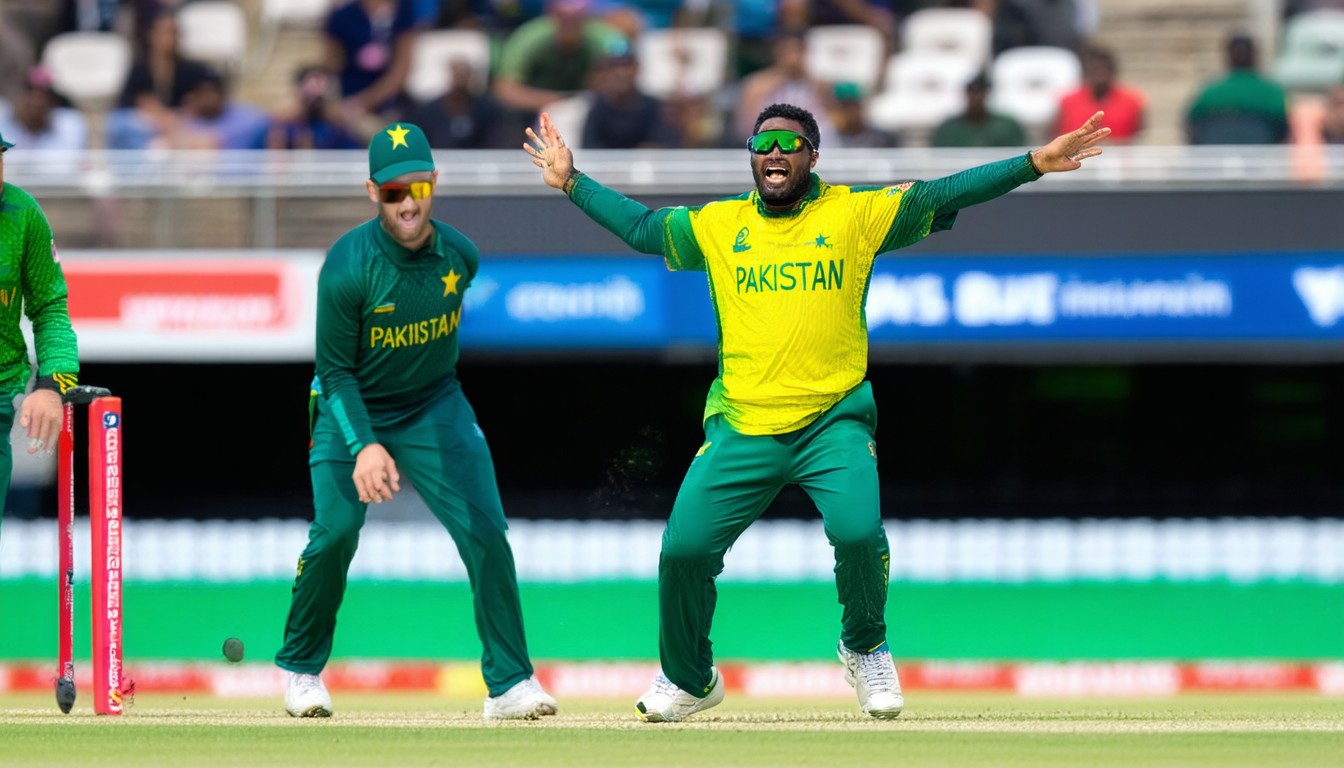

In the pulsating world of international cricket, few rivalries ignite fan passion quite like Pakistan vs South Africa. These two cricketing giants, both rich in talent and tradition, have crafted dramatic encounters—each match a showcase of resilience, tactical depth, and raw skill. As anticipation grows for their next face-off, players, analysts and fans alike are poring over past statistics, current form, and potential match-winning tactics. Here’s a comprehensive preview: detailed analysis, live score context, and expected highlights that promise another enthralling chapter in this storied rivalry.
The Rivalry: Recent History and Key Trends
Head-to-Head: Balance of Power
Historically, South Africa has held a slight edge in head-to-head encounters across formats. However, Pakistan’s knack for producing moments of brilliance ensures every meeting is unpredictable. In ODI encounters as of recent years, South Africa maintains a winning percentage over Pakistan, often capitalizing on home advantage and disciplined pace attacks. Conversely, Pakistan’s bowling—especially their spin options—has troubled the Proteas on subcontinental pitches, leading to some famous upsets.
“When South Africa and Pakistan clash, it’s less about stats and more about adaptability under pressure. Both sides have match-winners—it’s about who holds their nerve on the day,” noted former South African captain Graeme Smith.
Form Book: Contrasts and Common Goals
Coming into the match, Pakistan’s campaign has seen both explosive performances and fragile collapses. Their top-order, anchored by Babar Azam, remains a cornerstone, while fast bowlers like Shaheen Afridi consistently threaten with the new ball. In contrast, South Africa has developed a reputation for aggressive opening batsmen, a deep pace arsenal, and an improved spin department—factors that recently helped them notch up significant series wins.
Key Players to Watch
Pakistan: Babar Azam & Shaheen Afridi
Babar Azam, lauded for his composure and technique, is pivotal to Pakistan’s chase or setting targets. His ability to build innings under pressure is often cited as a defining asset. On the bowling front, Shaheen Shah Afridi’s left-arm seam, especially with the white ball’s swing, has dismantled top orders worldwide.
South Africa: Quinton de Kock & Kagiso Rabada
Quinton de Kock, with a flair for counterattacking cricket, can change the course of the game within a session. Kagiso Rabada leads the Proteas’ bowling attack and has a habit of striking crucial blows at decisive moments—his rivalry with Pakistan’s top order could dictate the match’s direction.
Tactical Battles and Matchups
Middle Overs: Spinners Set the Tone
Both teams recognize the importance of the middle overs in limited-overs cricket. Pakistan’s Usama Mir or Shadab Khan have often provided crucial breakthroughs, applying pressure through disciplined leg-spin. South Africa’s Keshav Maharaj, meanwhile, has grown as a reliable option in spinning conditions. The contest between spinners and aggressive middle-order batsmen like Heinrich Klaasen or Mohammad Rizwan will likely shape match fortunes.
Fast Bowling Face-Off: Early Wickets vs Death Overs
Pace has defined many classic Pakistan-South Africa contests. Raw pace versus technical batsmanship has seen momentum swing back and forth. South Africa’s Anrich Nortje and Rabada, paired with Pakistan’s Haris Rauf and Shaheen, present a mouthwatering battle—whoever wins the powerplay may well control the game’s tempo.
Live Score Scenarios: What to Expect
Given recent scoring trends, venues for recent matches between these two sides have offered consistent bounce and carry, favoring run-scoring but also rewarding disciplined bowling. A par score is likely to hover between 270–300 in ODIs and 160–180 in T20Is, assuming typical subcontinental pitch behavior.
Key phases where live scores might swing dramatically:
- Powerplay (first 10 overs): Early wickets can set the tone.
- Last 10 overs: Teams with explosive finishers (e.g., David Miller or Iftikhar Ahmed) can add 80+ runs.
- Middle overs: Wickets during this phase often stall momentum, especially if spinners operate with attacking fields.
Live score updates from reliable cricket portals or broadcaster feeds remain the best way to keep abreast, especially as player injuries or weather changes can shift dynamics in real time.
Highlights and Potential Game-Changers
In recent high-profile encounters:
- Fielding brilliance: South Africa’s athleticism in the outfield has saved crucial runs and created pressure, while Pakistan’s sharp catching has changed games.
- Pressure performances: In previous ICC events, both teams have chased down daunting totals and held their nerve in tight finishes.
- Young stars: Emerging talents like Mohammad Haris or Dewald Brevis can turn matches with a single cameo, adding X-factor unpredictability.
Beyond the numbers, these fixtures frequently produce highlight-reel moments—swinging yorkers, towering sixes, and tense final-over finishes. For fans seeking real-time excitement, keeping an eye on ball-by-ball commentary and official highlights compilations is essential.
Recent Trends: Pakistan vs South Africa in ICC Tournaments
Global tournaments often sharpen the focus. In World Cups and Champions Trophy showdowns, South Africa has occasionally faltered under pressure, while Pakistan’s reputation for unpredictability has frequently favored them on the big stage. Most famously, in the 2017 ICC Champions Trophy, Pakistan stunned the Proteas in a must-win group game, sparking a fairy-tale run to the title.
On the other hand, bilateral series in South Africa have historically been tough for visiting subcontinent sides, but recent improvements in Pakistan’s away record suggest a narrowing gap.
Expert Analysis: What Could Decide the Winner?
Experts consistently cite adaptability as the primary deciding factor when these two teams play. Adaptation to pitch conditions, reading opposition strategies, and tactical flexibility—especially in leadership and bowling changes—often determine the outcome.
“Depth in both line-ups guarantees a spectacle; usually, it comes down to which side handles pressure moments—be it a crucial fielding miscue or a late-innings slog—better,” observes leading cricket analyst Harsha Bhogle.
Conclusion: Anticipating Another Classic
As the next Pakistan vs South Africa clash approaches, expect no shortage of drama, skill, and high-stakes moments. With both teams boasting match-winners and intriguing tactical subplots, the contest will likely hinge on seizing key passages of play. Whether you’re watching for the live score, analyzing the highlights, or following every twist, this is a fixture that underscores why cricket remains a game of fine margins and compelling narratives.
FAQs
Who has the upper hand in recent Pakistan vs South Africa matches?
While South Africa has a slight historical advantage, recent matches have been closely contested, with both teams registering significant wins.
Which players are most likely to make an impact?
Babar Azam, Shaheen Afridi, Quinton de Kock, and Kagiso Rabada are acknowledged match-winners, but emerging players could also influence the result.
What are typical par scores in Pakistan vs South Africa games?
Par scores generally range from 270–300 in ODIs and 160–180 in T20Is, but pitch and weather conditions can significantly affect totals.
Where can fans follow live scores and match highlights?
Live scores and highlights are available on major sports broadcasters’ websites and official ICC platforms, ensuring real-time updates and in-depth coverage.
What has been the trend in ICC events between these teams?
Pakistan has often performed well in high-pressure ICC tournament matches against South Africa, although the Proteas have earned crucial wins as well.
How important is the toss in these encounters?
Winning the toss can offer a slight advantage due to changing pitch conditions, but effective second-innings play and tactical acumen are equally vital.