
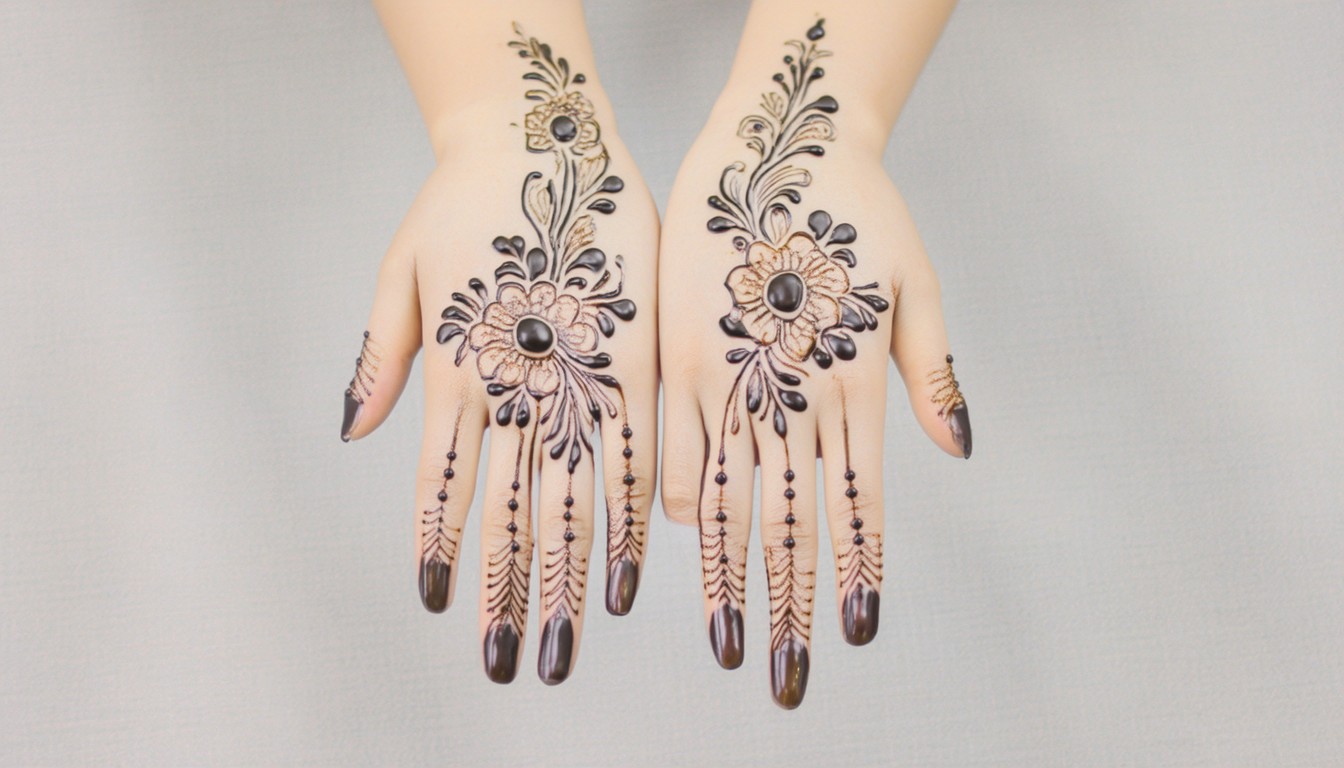

Mehndi, also known as henna, has long held an important place in cultural celebrations across South Asia, the Middle East, and North Africa. Its mesmerizing reddish-brown patterns grace hands and feet during weddings, festivals, and milestone events. In recent years, however, simple mehndi design has emerged as a global trend, transcending borders and traditions. This resurgence is driven by both a renewed appreciation for minimalist art and the widespread desire for DIY-friendly, easy mehndi patterns—especially among beginners.
The rise of simple mehndi designs reflects a broader shift in beauty and fashion toward effortless elegance. As interest in natural, sustainable self-expression grows, so too does the popularity of uncomplicated henna motifs. These easy designs invite individuals of all skill levels to enjoy the process and outcome, making the ancient practice accessible for modern enthusiasts.
What Makes a Mehndi Design “Simple”?
Key Characteristics of Simplicity in Henna Art
A simple mehndi design is characterized by clear lines, uncomplicated motifs, and minimal shading or fillings. Instead of intricate, dense coverage, these designs often feature:
- Geometric shapes like circles, dots, or lines
- Floral or leafy patterns with open spaces
- Repeated elements that are easy to replicate
- Uncluttered arrangements, usually covering limited areas (such as one finger, the back of the hand, or a small wrist band)
Minimalist mehndi is not a lesser form; rather, it is an intentional choice that places emphasis on clarity and subtlety. This approach enables beginners to build confidence while attaining beautiful results with basic techniques.
Modern Applications and Versatility
Simple mehndi designs are increasingly featured on digital platforms like Instagram and Pinterest, where the hashtag #simplemehndidesign attracts millions of views. These patterns are favored at casual gatherings, office parties, and even for everyday wear, far removed from their strictly ceremonial origins.
Henna artist Sanya Javed notes:
“The charm of simple mehndi lies in its universal appeal. Whether you’re a professional or a first-timer, these designs let you express tradition without complexity, fitting seamlessly into contemporary lifestyles.”
Step-by-Step: Easy and Elegant Mehndi Patterns for Beginners
Essential Tools and Preparation
Before beginning, gather these basic supplies:
- Fresh, ready-made mehndi cones or homemade henna paste
- A clean, dry surface (hands, feet, arms)
- Tissue or cotton swabs for corrections
- Lemon-sugar solution for longer-lasting color
Artists recommend testing a small patch for any allergic reactions and ensuring the skin is clean before applying henna.
Popular Simple Mehndi Motifs
- The Single Mandala: Start with a small circle on the palm or back of the hand. Add concentric circles, small petals, and dots. The mandala’s symmetry offers a relaxing structure, ideal for beginners.
- Chain of Vines: Draw a thin wavy line from the wrist to the finger, embellishing with tiny leaves or buds along its path. This style mimics jewelry and works well as a bracelet or ring design.
- Minimalist Florals: Outline a few simple flowers, perhaps a large bloom at the center, complemented by leaves and dots to accentuate.
- Fingertip Designs: Just decorate the fingertips or a single finger with lattices, dots, or a single motif for subtle, modern elegance.
These foundational motifs can be mixed and matched based on the wearer’s preference or the occasion’s formality.
Pro Tips for Best Results
- Use light, consistent pressure on the cone for even lines.
- Allow the mehndi to dry thoroughly; leave it on for several hours or overnight for deeper color.
- Avoid washing with soap immediately after removal, as this can hinder stain development.
In practice, keeping things simple enhances confidence and encourages self-expression, which is why many people start with these minimalist patterns.
The Cultural Significance of Simplicity in Mehndi
While elaborate mehndi designs can symbolize prosperity and joy, simple patterns are often chosen for their contemporary appeal and practicality. For younger generations and those new to henna, easy designs provide an approachable gateway to participating in cherished rituals.
Shifting Trends in Celebratory Mehndi
Data from social media and beauty trend reports reveal an uptick in the demand for easy mehndi designs, especially during major festivals like Eid, Diwali, and Karva Chauth—as well as Western events such as baby showers and music festivals.
Henna designer Farah Syed observes,
“Minimalistic henna speaks not only to aesthetics but also to the fast-paced lives of today’s youth. It’s beauty in simplicity—timeless, yet perfectly contemporary.”
Real-World Examples: Simple Mehndi Design Across Occasions
Everyday Wear
For the working professional, students, or those who prefer understated fashion statements, a single vine design on the wrist or a half-flower on a finger can be both practical and elegant. Mehndi is now being included as part of casual looks, with easy patterns fitting seamlessly into daily routines.
Special Occasions
While brides may still opt for intricate full-hand mehndi, many bridesmaids, friends, and relatives choose simple designs to complement their attire without overshadowing the bride. The adaptability of simple patterns ensures that everyone, regardless of skill level, can participate.
Children and First-Timers
Henna application can be a delightful family activity, especially for children. Easy motifs such as hearts, stars, or smiley faces introduce them to the artform without any pressure for perfection, fostering creativity and connection.
Conclusion: Embracing Mehndi as Art and Self-Care
Simple mehndi design is much more than a trend—it represents a democratization of an ancient artform. By making beautiful henna patterns accessible and unintimidating, it encourages creativity, tradition, and self-expression for all ages and backgrounds. As minimalist aesthetics continue to shape the global beauty landscape, simple mehndi remains both relevant and resonant—a timeless choice for anyone seeking elegance with ease.
FAQs
What defines a simple mehndi design?
Simple mehndi designs use basic, easy-to-draw motifs and keep to fewer lines and shapes, making them manageable for beginners. They often avoid dense, detailed patterns in favor of clean, subtle art.
Are simple mehndi patterns long-lasting?
Yes, simple designs can last as long as intricate ones, depending on the quality of the henna and aftercare. Keeping the paste on longer and avoiding water for several hours after removal helps ensure a deeper, lasting stain.
Can I do simple mehndi designs by myself at home?
Absolutely. Most simple mehndi designs are designed for self-application, with straightforward steps that don’t require professional skills. Practice and patience help build confidence and neatness.
What occasions are suited for simple mehndi designs?
These designs work well for everyday wear, low-key gatherings, festivals, or when time is limited. They’re also popular with children and first-time users looking for a fun and approachable introduction to mehndi.
Do simple mehndi designs require special tools?
Typically, all that’s needed is a henna cone and clean skin. No complicated tools or special accessories are necessary, which makes these designs especially attractive for beginners.