
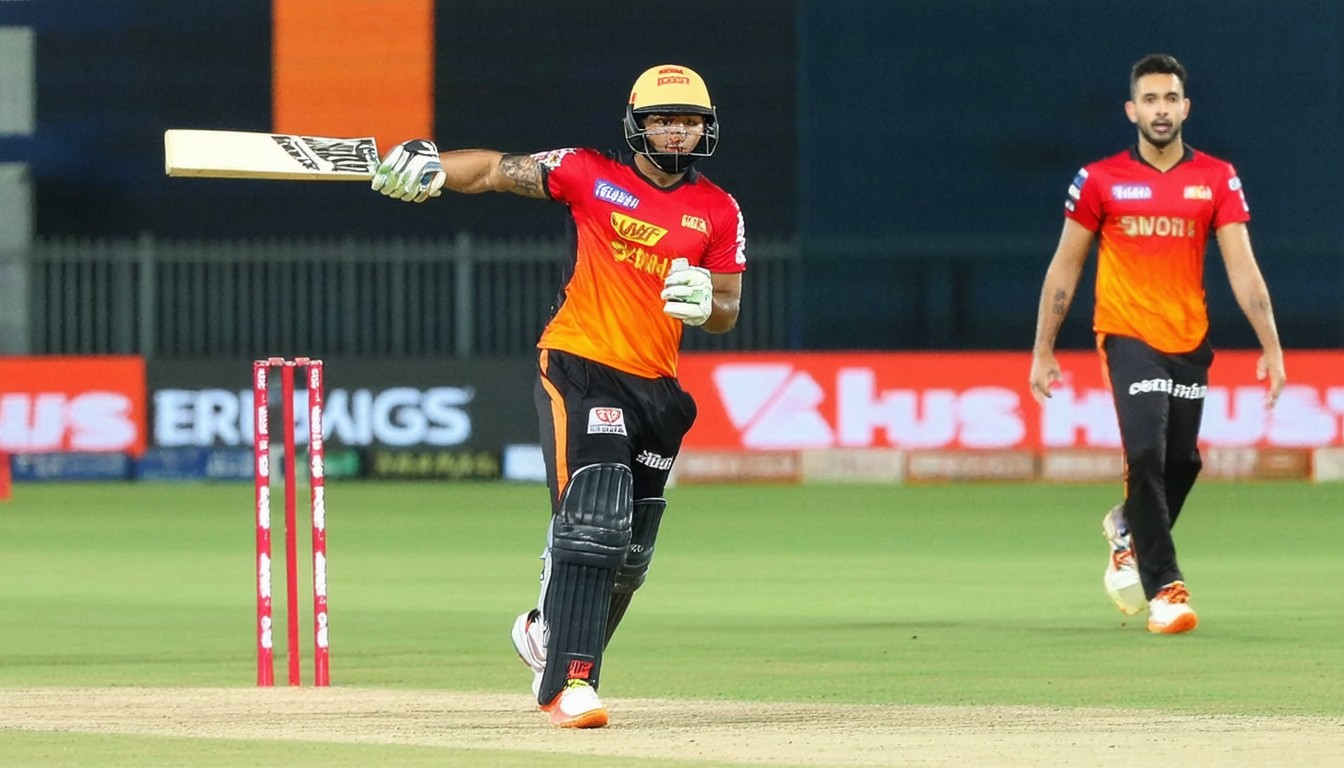

When Sunrisers Hyderabad (SRH) clashes with Gujarat Titans (GT), expect a riveting contest that reflects the evolving dynamics of the Indian Premier League’s modern era. Both franchises boast passionate fan bases and a history of high-octane encounters. SRH arrives with a legacy of strong bowling units, while GT, one of the league’s newer entrants, has quickly become a formidable force. With playoff implications often riding on such games, every tactical decision and player performance is magnified.
The build-up to SRH vs GT matches tends to revolve around contrasting team philosophies. Sunrisers’ methodical approach—especially in defending totals—contrasts starkly with the Titans’ flair and unpredictability. Recent seasons have illustrated this difference, with matches frequently swinging on late-game heroics or bowling spells in pressure situations.
Head-to-Head Stats: SRH vs GT Rivalry In Numbers
Although Gujarat Titans joined the IPL only recently, their contests with Sunrisers Hyderabad have already produced drama and memorable moments. Head-to-head records are beginning to reveal emerging trends:
- Overall Meetings: Fewer than ten, due to GT’s nascent history
- Win-Loss Record: Competitive, with both sides enjoying periods of dominance
- Notable Matches: Their first ever meeting shocked many, as GT chased down a challenging total with an over to spare
Cricket statistician and IPL analyst Amol Karhadkar succinctly summed up the vibrancy of this rivalry:
“Despite Gujarat Titans being a new franchise, their face-offs with SRH have rapidly become must-watch events. The matchups highlight contrasting strengths, leading to gripping finishes.”
A closer look at individual match-ups reveals that SRH’s bowlers have often dictated terms in the powerplay, while GT’s middle-order is adept at accelerating in the death overs. In at least one encounter, a 50-plus partnership for the seventh wicket turned the game dramatically in GT’s favor.
Key Player Battles
Some recurring player duels have become focal points for fans and pundits alike:
- Bhuvneshwar Kumar vs Shubman Gill: Kumar’s swing and variations consistently test Gill’s disciplined technique at the top.
- Rashid Khan vs SRH Middle Order: Rashid, a former SRH star now leading GT’s spin attack, adds a unique emotional spark and tactical dimension to the contest.
Projected Playing 11: Team Combinations and Strategic Choices
Team selection for SRH vs GT encounters is rarely straightforward. Both franchises possess a blend of experienced campaigners and rising talent—a mix that allows tactical flexibility depending on conditions and opposition.
Below is a typical playing 11 for both sides, though minor tweaks are common based on fitness reports and pitch assessments.
Probable Sunrisers Hyderabad XI
- Abhishek Sharma (opener, left-hand bat)
- Mayank Agarwal (opener, right-hand bat)
- Rahul Tripathi (aggressive top-order batter)
- Aiden Markram (middle order, occasional spin)
- Heinrich Klaasen (wicketkeeper, finisher)
- Abdul Samad (big-hitting utility)
- Washington Sundar (all-rounder, spin option)
- Bhuvneshwar Kumar (pace spearhead)
- Marco Jansen / T Natarajan (pace variety)
- Mayank Markande (leg-spin)
- Umran Malik (pace, death bowling)
Probable Gujarat Titans XI
- Shubman Gill (captain, opener)
- Wriddhiman Saha (keeper, aggressive start)
- Sai Sudharsan (anchor)
- Vijay Shankar (multi-dimensional batter)
- David Miller (proven match-winner)
- Rahul Tewatia (finish specialist)
- Rashid Khan (leg-spin, all-round threat)
- Noor Ahmad / Jayant Yadav (second spinner)
- Mohit Sharma (accuracy specialist)
- Mohammed Shami (strike bowler)
- Yash Dayal / Joshua Little (support seamer)
Team news closer to match day often hinges on niggles or tactical switches, especially in all-rounder and overseas slots.
Pitch Report: Conditions, Trends, and Tactical Implications
The venue for SRH vs GT contests—most often the Rajiv Gandhi International Stadium, Hyderabad, or the Narendra Modi Stadium, Ahmedabad—has a significant bearing on proceedings.
Hyderabad: Balanced But Tricky For Batsmen
Hyderabad’s wicket traditionally favors bowlers, especially in the first half. Seamers like Bhuvneshwar Kumar and Marco Jansen get early movement, while spinners come into play as the surface wears. However, it typically quickens up under lights:
- First Innings Average Score: Generally around the 160–170 mark
- Chasing Record: Teams chasing have a marginal edge, especially in night games
- Dew Factor: Can play a decisive role, influencing team decision at the toss
Ahmedabad: High-Scoring, Spin-Reliant in Middle Overs
Ahmedabad’s pitches are usually batting-friendly with even bounce, but they can slow down in the middle overs, bringing wrist-spinners like Rashid Khan and Mayank Markande into play. Tracks here have witnessed several 180-plus scores, underlining the need for adaptive strategies.
Tactical Adjustments
Winning the toss and choosing to bowl is a trend in both venues, mainly due to dew concerns. Heavy roller use and short boundaries further amplify chasing teams’ confidence.
Form, Stand-Out Performers, and Strategic Insights
Recent form often tilts the tactical approach for both sides. In the last several matches between the two, certain trends are evident:
- SRH relies on top-order bursts and late surges from their finishers
- GT’s strength lies in their ability to rebuild after early setbacks and deploy an all-rounder-heavy lineup
Stand-out players such as Shubman Gill for GT and Heinrich Klaasen for SRH have made significant contributions with match-winning innings or pivotal knocks under pressure. Rashid Khan’s dual role—as a wicket-taking option and lower-order bat—remains crucial, particularly on slow or turning pitches.
Emerging Talent
Young talents like Umran Malik (SRH) and Sai Sudharsan (GT) have cemented their places with impactful performances, indicating that youth could once again play a decisive role.
Key Match-Ups, Tactical Battles, and Trends
The unpredictability of T20 cricket ensures that team balance and phase-specific strategies often determine the outcome. Analysts point to the following critical areas:
- Powerplay Dominance: Bhuvneshwar Kumar’s ability to pick early wickets versus GT’s aggressive openers
- Middle Overs Spin Test: Rashid Khan / Noor Ahmad vs Klaasen and Markram
- Death Over Execution: Both sides have quick bowlers capable of bowing yorkers and slower balls, making the final five overs decisive
A recent tactical trend is using wrist-spinners in the powerplay to surprise aggressive openers. Also, flexible batting orders—sending big hitters up when favorable matchups arise—have led to a few successful run chases and defendable totals.
Conclusion
The SRH vs GT face-off is evolving into one of the IPL’s most intriguing matchups. Each game leverages not just team talent but also deep tactical acumen and adaptability to conditions. With ever-changing team combinations, emerging player rivalries, and venue-induced strategies, this contest rarely delivers a dull moment. Cricket enthusiasts can expect another strategic chess match defined by precision, nerves, and calculated risks.
FAQs
Who has the better head-to-head record, SRH or GT?
Gujarat Titans and Sunrisers Hyderabad have played a limited number of matches due to GT’s recent entry. Their record is competitive, with both sides having claimed wins.
What impact does the pitch have on SRH vs GT matches?
Ground conditions, especially in Hyderabad or Ahmedabad, significantly influence team strategies. Generally, both venues favor chasing teams, but spin and early seam can still play vital roles.
Who are the key players to watch in this fixture?
Shubman Gill and Rashid Khan have been central for GT, while SRH relies heavily on Bhuvneshwar Kumar and Heinrich Klaasen. Youngsters like Umran Malik often add excitement with their breakthroughs.
How do team selections differ for this clash?
Both teams adapt playing 11s depending on pitch and fitness; GT may experiment with extra all-rounders, while SRH often banks on specialist bowlers and aggressive top-order batters.
Why is the toss important in SRH vs GT games?
Winning the toss allows teams to maximize the advantage of dew and ground conditions, especially in night matches where chasing can be easier.
Which tactical trend has become prominent in recent encounters?
Using wrist-spinners in powerplay overs and flexible batting orders has gained traction, aiming to destabilize settled batters and exploit match-ups.