
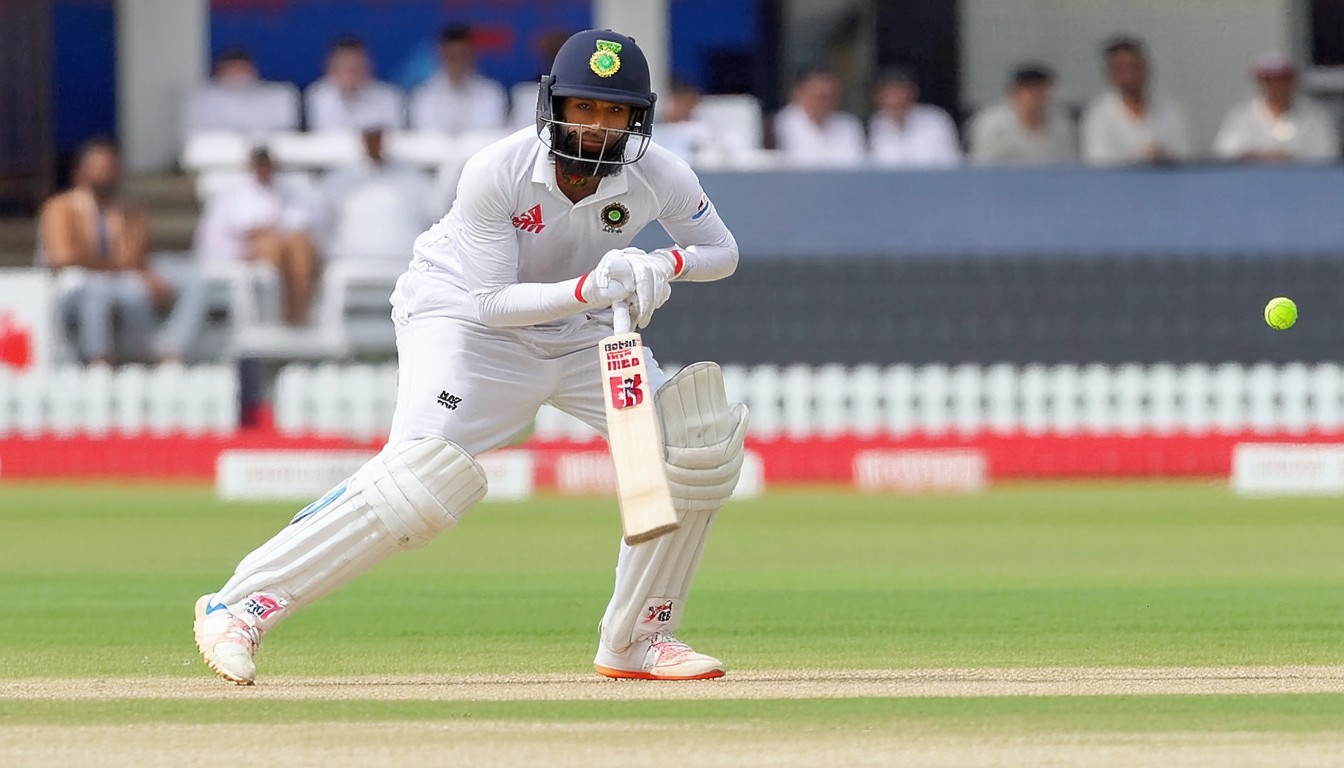

Cricket, often described as a religion in the Indian subcontinent, is also steadily gaining traction in the Middle East, particularly in the United Arab Emirates. The much-anticipated match between UAE vs IND is more than just another fixture; it’s a convergence of cricketing traditions, emerging talent, and strategic ambitions. For India, a powerhouse with a deep bench of international stars, these contests are often occasions to test new combinations and display their dominance. For the UAE, matches against top-tier teams represent a critical opportunity to showcase their growth and attract broader recognition on the world stage. The equation is simple: talent meets ambition, and history meets hope.
Historical Performance: How UAE and India Stack Up
When examining the UAE vs IND head-to-head record, the contrast is unmistakable. India boasts a storied cricketing legacy, backed by major tournament victories and a robust domestic structure. In contrast, the UAE, since becoming an ICC associate member, has demonstrated significant growth but remains comparatively less experienced on the global circuit.
India has never lost to the UAE in major ICC tournaments, with victories characterized by clinical batting and disciplined bowling. For example, during the 2015 ICC Cricket World Cup, India routed UAE by nine wickets, underscoring the gap in experience and resources. Yet, these matches have also offered a platform for the UAE to test their mettle against cricket’s elite—a vital component for climbing the international ranks.
“These fixtures are invaluable—it’s not just about the result, but the learning curve for emerging teams,” says a former national selector.
Despite these lopsided results, the UAE has shown flashes of brilliance, especially in regional tournaments and through individual performances that hint at a deeper bench of talent than popularly assumed.
Key Players to Watch: Game-Changers and X-Factors
For India
India’s squad depth means they can rest key stars while giving emerging players valuable game time. Still, a few names remain critical:
- Virat Kohli: Renowned for his consistency, Kohli’s ability to anchor the innings and accelerate at will makes him a perpetual threat.
- Shubman Gill: Seen by many as the future of Indian cricket, Gill’s form at the top of the order can set the tone.
- Jasprit Bumrah: When fit and firing, Bumrah’s death-over skills and unorthodox action often prove decisive, even against lower-ranked teams.
For the UAE
For UAE, individual brilliance will be central to their chances:
- Muhammad Waseem: The current UAE captain, Waseem is known for explosive starts in T20s and can turn a game in a few overs.
- Rohan Mustafa: An experienced all-rounder, Mustafa’s spin bowling and calm under pressure offer balance to the lineup.
- Junaid Siddique: As one of the leading pacers, his early strikes can unsettle even the best.
In practical scenarios, the pressure on UAE’s key players is immense—they must not only perform but inspire those around them.
Statistical Insights: Head-to-Head Numbers and Recent Trends
Looking at the numbers offers clear context:
- Head-to-Head: India holds a 100% win record over UAE in ODI and T20 formats in ICC events.
- Batting Averages: Indian batters typically average above 45 against UAE bowlers, reflecting the disparity in quality and depth.
- Bowling Success: Indian quicks, particularly in powerplays, have stifled UAE’s top-order, often reducing them to sub-par totals.
However, it’s essential to note recent improvements in the UAE’s domestic scene. The Emirates Cricket Board has invested in youth academies and overseas coaching, resulting in a crop of technically sound youngsters. This is evident in their competitive outings against other associate nations in ICC qualification rounds, where individual scores of 50+ and tight bowling spells have become more frequent.
Strategic Match-ups and Tactical Focus
India’s Approach: Experimentation, Depth, and Aggression
With squad rotation a likely scenario, India may experiment with line-ups, focusing on bench strength. Spin-heavy attacks have proven effective on UAE pitches, especially towards the latter stages of T20 matches. Gameplans might include early aggression during powerplays, rapid running between the wickets, and exploiting slower surfaces with wrist-spin.
UAE’s Response: Discipline and Opportunity
For UAE, the biggest test is often mental; avoiding early collapse and capitalizing on brief momentum shifts is key. Their ability to post competitive totals hinges on partnerships and minimizing dot balls. Smart fielding, energetic approaches, and aggression against second-string bowling options can generate surprise upsets.
When these gameplans collide, moments of individual brilliance—from a stunning boundary save to a breakthrough wicket—often swing narratives dramatically.
Real-World Example: Learning from Past Encounters
Previous encounters offer instructive scenarios. Take the 2018 Asia Cup match in Dubai: India’s openers quickly negated any early UAE threat, while a disciplined bowling display stifled the UAE run chase. Conversely, the UAE’s spirited fielding and flashes of resistance showcased their resilience and determination.
From grassroots to grandstands, these moments accentuate how every contest leaves lessons for both teams. As cricket continues to globalize, the significance of such fixtures goes beyond the boundary ropes—fueling ambition in associate nations and tempering expectations among giants.
Predictions: What Might Unfold
Given the weight of numbers, India starts overwhelming favorites. However, the unpredictability inherent in cricket, especially in shorter formats, leaves room for intrigue. If the UAE can execute their plans, apply pressure, and seize small windows of opportunity, a competitive match is entirely possible.
“In cricket, upsets happen when preparation meets opportunity, and no contest can be taken lightly,” observes a leading cricket analyst.
Yet, if India’s professional depth and focus remain intact, history suggests another comprehensive win may be on the cards. Either way, viewers are guaranteed emerging talents and moments of tactical drama.
Conclusion: The Stakes and the Next Chapter
As the UAE vs IND match looms, stakes for both sides remain sharply contrasting. For India, it’s about consolidating dominance, providing experience to newcomers, and avoiding complacency. For the UAE, it represents both a challenge and a showcase—a chance for heroes to be born and potential realized.
Regardless of result, these encounters spur growth, inspire the next generation, and shape the evolving cricketing landscape in both nations. Attention, as always, will rest on individual brilliance and collective resolve—the main ingredients of an unforgettable match.
FAQs
Who are the key players to watch in the UAE vs IND match?
For India, Virat Kohli, Shubman Gill, and Jasprit Bumrah stand out due to their consistency and impact. Muhammad Waseem, Rohan Mustafa, and Junaid Siddique are pivotal for UAE.
What is the head-to-head record between UAE and India?
India has never lost to UAE in official ICC competitions, typically securing comprehensive victories in both ODI and T20 formats.
How has UAE improved as a cricketing nation in recent years?
UAE’s cricket investments in grassroots programs, overseas coaching, and youth development have resulted in improved skill levels and more competitive performances against higher-ranked teams.
What are the main tactical keys for UAE to challenge India?
UAE must focus on building partnerships, minimizing mistakes in the field, and targeting key moments to apply pressure, especially when facing India’s depth and experience.
Can UAE realistically hope for an upset against India?
While India is the clear favorite, cricket’s unpredictability means an upset is always possible if UAE executes its plans with discipline and takes advantage of any lapses in the Indian side.