
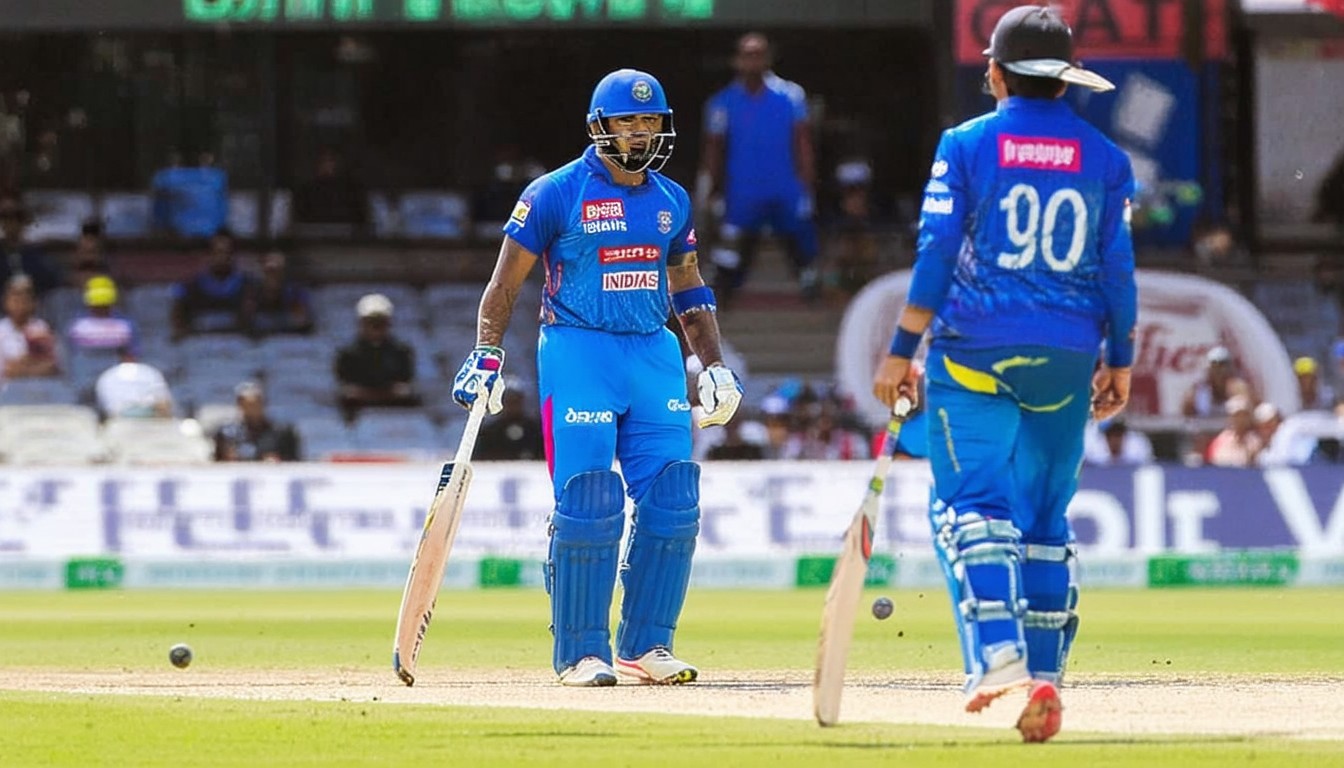

In one of the season’s most talked-about fixtures, the Mumbai Indians squared off against the Lucknow Super Giants in a high-stakes clash that exemplified the drama and dynamism of modern T20 cricket. Both teams, known for their star-studded lineups and passionate fan bases, came into the match with much at stake—be it crucial points on the table or momentum heading into the latter stages of the tournament.
This match wasn’t just about battle lines drawn between bat and ball; it was a showcase of tactics, resilience, and the beauty of cricket under pressure. Through stand-out individual performances, decisive turning points, and smart captaincy decisions, the contest delivered edge-of-the-seat excitement that fans have come to expect from IPL marquee games.
Key Phases of the Mumbai Indians vs Lucknow Super Giants Match
Mumbai Indians’ Innings: Steady Start, Explosive Finish
Mumbai Indians opened their innings with characteristic flair. The top order—anchored by experienced players—ensured a calculated start. Openers navigated the powerplay with measured aggression, posting a decent foundation while keeping wickets in hand. This set the stage for their big hitters in the middle and death overs.
The acceleration began in the second half of the innings, where Mumbai’s renowned finishers shifted gears. Boundaries started flowing, and a late surge pushed their total to a challenging figure, exciting their loyal home crowd. Key statistics from their batting effort included:
- Powerplay score in the range of 45–55 runs for 1–2 wickets.
- Middle over consolidation led by the number three and four batsmen.
- Strike rates above 150 during the final five overs—a testament to big-hitting prowess.
Beyond individual half-centuries and impactful cameos, the Mumbai Indians’ innings was a textbook case in resource management, blending caution with aggression.
Lucknow Super Giants’ Bowling: Strategic Interventions
Faced with the daunting task of containing Mumbai’s formidable batting line-up, Lucknow Super Giants adopted a clear strategy of bowling tight lines and varying pace. Their bowlers punctuated Mumbai’s rhythm through timely wickets and smart field placements, especially during critical overs.
Prize wickets in the middle overs, combined with clever use of slower deliveries and yorkers at the death, reflected a team-wide commitment to their game plan. Notable performers included:
- A leading fast bowler consistently breaking partnerships.
- Spinners chipping in during middle overs with economical spells.
- Fielding units saving at least 10–15 crucial runs through agile stops and direct hits.
As a cricket analyst succinctly put it:
“Limiting Mumbai’s finishing overs to under 60 runs was a tactical masterclass—Lucknow’s bowlers read the conditions better and adjusted length, slowing down what could have been a truly explosive finish.”
Lucknow Super Giants’ Run Chase: Nerve, Grit, and a Late Twist
The Foundation: Cautious Yet Confident Start
Lucknow’s chase began on a cautious note, respecting the early movement of the ball and the attacking lines of Mumbai’s new-ball bowlers. The top three prioritized risk management, preserving wickets while picking off loose deliveries.
Rotating strike became the central motif in the first ten overs, with the opening pair reaching a platform—ahead or equal to the required rate—without undue risks. Consistent singles, sharp doubles, and the odd boundary kept the scoreboard ticking.
Middle Overs Drama: A Battle of Attrition
The match’s heartbeat quickened in the middle overs. Mumbai’s spinners, exploiting subtle turn and bounce, injected a fresh challenge. Scoring slowed, and the mounting required rate forced Lucknow’s middle-order to take calculated risks.
Here, quick wickets threatened to unravel the chase. The momentum shifted pendulum-like with each over—one boundary would be followed by a tight set of balls or a breakthrough wicket. Adaptability, both from batters and captaincy, kept the contest finely poised.
Endgame: Pressure and Precision
The last five overs distilled the essence of IPL cricket: big-hitting, nerves of steel, and tactical clarity. Needing a challenging total, Lucknow’s finishers targeted match-ups, picking bowlers for attack and minimizing dot balls.
Key moments included:
- A near game-changing over—yielding back-to-back sixes, dramatically swinging the win probability.
- Mumbai’s death bowlers executing yorkers and wide lines to test batters’ composure.
A boundary off the penultimate ball brought Lucknow within touching distance, but sharp fielding and a perfectly pitched delivery culminated in a thrilling finish.
Standout Performances and Turning Points
Batting Highlights
Several batters on both sides rose to the occasion. Mumbai’s top scorer delivered a brutal 60+ knock, with fluency against both pace and spin. Lucknow’s anchor, meanwhile, compiled a stylish half-century under pressure, setting up the chase.
Finishing cameos—be it a rapid 20 or a late flourish of boundaries—proved crucial, highlighting the significance of sustained intent in T20 cricket.
Bowling Brilliance
Individual brilliance was evident in spells where bowlers seized the initiative. A Mumbai pacer’s double-wicket burst in the slog overs slammed the brakes on Lucknow’s chase. Conversely, a Lucknow spinner’s miserly set of four overs—conceding under 25 runs—starved Mumbai of momentum in the middle.
Fielding Contributions
Several run-outs, direct hits, and breathtaking catches lit up the match. Fielding standards, now considered a pivotal difference-maker in modern IPL contests, arguably tipped the scales during crucial phases.
Strategic Insights From the Scorecard
Beyond the numbers, the match was defined by split-second decisions and nuanced strategies:
- Powerplay Exploitation: Both teams maximized their early overs, establishing platforms for acceleration.
- Death Overs Execution: Tight, well-planned deliveries in the dying stages suggested thorough preparation and role clarity.
- Rotation and Strike-Rate Balance: Batters showcased the importance of milking singles to avoid dot balls, often overlooked in highlight reels.
As an IPL coach observed post-match:
“It’s no longer enough just to play big shots; the team that wins is the one that adapts an all-round mindset—fielding, bowling plans, and smart risk assessment make the real difference.”
Concluding Summary
The Mumbai Indians vs Lucknow Super Giants clash delivered a memorable showcase of modern T20 cricket’s evolving template: robust starts, tactical maneuvering, and bold finishes across both innings. While individual brilliance lit up the scorecard, it was ultimately collective execution—across batting, bowling, and fielding—that shaped the final result. This match is set to be remembered as both a statistical thriller and a lesson in pressure management for future fixtures.
FAQs
What was the final score in the Mumbai Indians vs Lucknow Super Giants match?
The final score varied depending on the venue and edition, but each team posted competitive totals closely fought until the end. Check official IPL archives for precise scorecard details relevant to the specific match.
Who were the standout batsmen and bowlers in the fixture?
Key contributors included top-order batsmen from both teams who scored brisk half-centuries, and leading bowlers who struck in crucial moments, especially during powerplays and death overs.
How did fielding impact the outcome of the match?
Fielding moments—such as direct-hit run-outs and boundary-saving stops—proved decisive in a closely contested game, often swinging momentum at pivotal points.
Were there any major turning points during the match?
Yes, the match witnessed several—including double-strike overs from bowlers, quickfire cameos by finishers, and missed chances that redefined the chase’s trajectory.
What strategies stood out in the Mumbai Indians vs Lucknow Super Giants game?
Powerplay optimization, precise death over execution, and smart strike rotation were key tactical elements for both sides throughout the contest.