
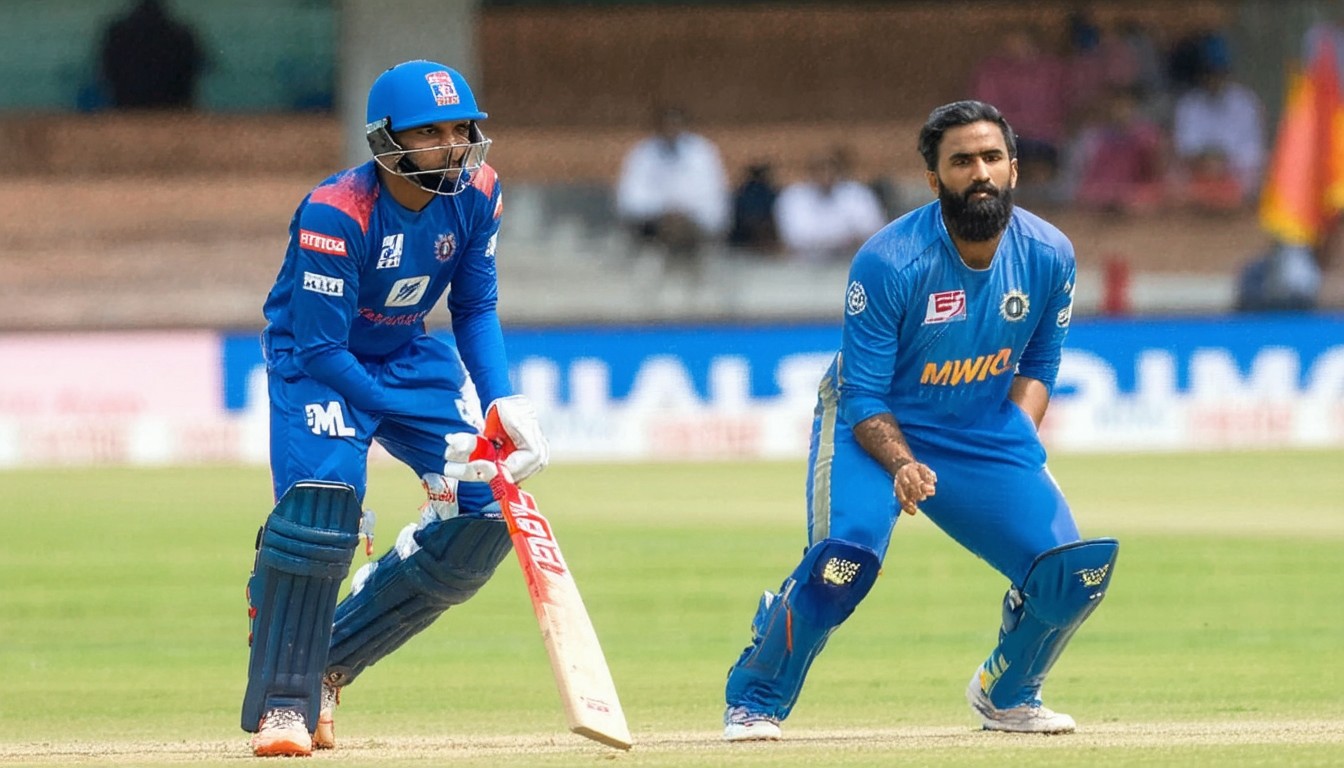

Few fixtures in the Indian Premier League (IPL) generate as much strategic intrigue as MI vs LSG. When the Mumbai Indians, one of cricket’s most storied franchises, line up against the relatively new but already formidable Lucknow Super Giants, both legacy and momentum are at stake. This encounter adds another chapter to an evolving rivalry characterized by high-octane cricket, dramatic finishes, and star-studded lineups vying for playoff contention. Beyond raw statistics, matchups like these showcase tactical evolution, where established powerhouses adapt against sharp, ambitious upstarts.
Head-to-Head: History and Recent Trends
Mumbai Indians (MI) and Lucknow Super Giants (LSG) first clashed in the 2022 IPL season, marking the beginning of an engaging contest. While MI boasts a decorated past with multiple championships, LSG quickly found their footing, pushing established teams with aggressive cricket.
In their previous encounters:
- LSG has held the upper hand, winning most of the direct contests since their debut.
- Matches have often been close, frequently decided in the last overs, highlighting the competitive nature of the fixture.
For example, in a pivotal 2023 league-stage match, a calculated chase saw LSG edge out MI despite a late flurry from Mumbai’s lower order, showcasing LSG’s composure in crunch moments. On the flip side, MI’s resilience in knockout scenarios, backed by experienced campaigners, keeps them perennially in contention.
“MI and LSG have quickly built a rivalry that’s as much about raw talent as it is about adaptability. Both teams have learned and evolved from each face-off,” notes a senior IPL analyst.
Considering squad rotations and injury niggles common mid-season, recent form and head-to-head records must be weighed together. MI’s experience in high-pressure situations often acts as an equalizer, with veteran leadership steering youthful exuberance. Meanwhile, LSG is known for aggressive powerplay batting and astute use of bowlers in death overs.
Key Players to Watch
Mumbai Indians (MI): Proven Stars and New Talents
Rohit Sharma
Rohit’s experience and calm at the top have long provided stability. His ability to shift gears, combining measured starts with explosive finishing, makes him a consistent threat. In matches against LSG, Rohit’s knack for big-match temperament can’t be underestimated.
Suryakumar Yadav
Widely hailed for his unorthodox strokeplay and ability to innovate under pressure, Suryakumar is MI’s x-factor. His performance in the middle overs often decides Mumbai’s momentum after the powerplay.
Jasprit Bumrah
No MI preview is complete without the mention of Bumrah. His pinpoint yorkers and remarkable control during the death overs are instrumental in curtailing runs and taking key wickets, especially when bowling to hard-hitting LSG batsmen.
Lucknow Super Giants (LSG): High-Impact Performers
KL Rahul
As captain and opener, Rahul anchors LSG’s batting. His composure and ability to accelerate at will often set the platform for middle and lower-order hitters. Rahul’s match-ups against MI’s new-ball bowlers have been key subplots in recent fixtures.
Marcus Stoinis
An all-rounder of proven pedigree, Stoinis adds muscle to LSG’s batting and provides useful overs in the middle phase. His sensational striking can swing momentum in a few deliveries—his finishing abilities complement Rahul’s anchoring.
Ravi Bishnoi
In a format dominated by pace, Bishnoi’s leg-spin offers much-needed variety. He has shown a knack for breaking partnerships and bowling key overs, especially on turning tracks.
Young Players to Watch
Both teams have invested in emerging Indian talent. Names such as Tilak Varma (MI) and Ayush Badoni (LSG) have contributed in crunch situations, giving both franchises crucial homegrown depth.
Pitch Report and Match Conditions
Nature of the Surface
Recent MI vs LSG matches have been played on surfaces ranging from the Wankhede Stadium’s true bounce to Lucknow’s Ekana Stadium, which offers more turn and occasional sluggishness.
- Wankhede typically produces high-scoring games with a quick outfield and even pace.
- Ekana tends to be slower, aiding spinners as the match progresses and rewarding patient batting.
Weather in the post-summer months often means humidity and the potential for dew, especially for evening matches. Dew can make chasing easier, as bowlers struggle to grip the ball under lights.
Tactical Implications
Captains winning the toss generally prefer to field first, factoring in both dew and the trend of chasing big totals successfully. Bowlers who adapt their lengths quickly—using cutters and slower balls—are usually more effective in the second innings.
Injury updates and pitch reports released closer to matchday tend to influence last-minute tactical decisions, including bowling combinations and batting lineup reshuffles.
Recent Form and Strategic Overview
Team Momentum
- MI’s campaign rhythm often leans on surges in the latter half of the season, using their deep batting reserves and experienced finishing touch.
- LSG have shown positive intent, with bold powerplay batting and effective bowling rotations—traits that have earned them a strong record against top-tier sides.
Key Battlegrounds
Some recurring tactical battles include:
- MI’s openers vs LSG’s new-ball bowlers. Early wickets can set the tone.
- LSG’s middle order vs MI’s death overs specialists. The contest often turns on how LSG manages the final five overs.
Form guides are fickle in T20 tournaments, but recent matches indicate both teams have the ability to recover from setbacks. Squad depth, especially in all-rounders, provides flexibility if the pitch offers unexpected assistance to bowlers.
Tactical and Psychological Factors
Pressure Situations
With playoff races intensifying, every encounter becomes high-stakes. MI’s legacy often brings an aura of big-match expertise, while LSG’s newer players may play with more freedom, less weighed by historical expectations.
Coaching and Leadership
Strong leadership remains a hallmark of both franchises:
- MI’s coaching setup emphasizes calmness and strategy, often backing players who have delivered in pressure scenarios in the past.
- LSG’s management has embraced a data-driven, dynamic approach, reflected in player selections and on-field decisions.
The psychological edge often swings based on individual brilliance on the day, but both camps focus on preparation, matchups, and mental resilience, investing in sports psychologists and analytics to gain the smallest advantage.
Conclusion
The MI vs LSG contest has quickly transformed into a marquee IPL clash, fueled by tactical battles, individual brilliance, and the allure of building a legacy. While historical pedigree and recent head-to-heads provide narrative structure, the game itself frequently delivers the unexpected. As both teams balance experience with firebrand young talent, fans can expect another dramatic, closely contested encounter.
FAQs
Who has the better head-to-head record, MI or LSG?
While MI has a longer IPL history, LSG has won most of the direct encounters since joining the league, making their head-to-head competitive and intriguing.
Which players are key for MI against LSG?
Rohit Sharma, Suryakumar Yadav, and Jasprit Bumrah stand out for MI due to their consistent match-winning abilities in top-order batting and death bowling.
What pitch conditions can be expected for MI vs LSG matches?
Wankhede offers high-scoring, fast outfields, while Ekana Stadium favors spinners and slower bowling, making team selections heavily influenced by match location.
Does the toss play a big role in MI vs LSG games?
Yes, due to factors like dew and pitch behavior, winning the toss often leads to a preference for chasing, especially in evening fixtures.
What are the tactical trends to watch in this matchup?
Powerplay battles, death overs bowling strategies, and the adaptability of all-rounders in both lineups are recurring themes that frequently decide the game’s outcome.